
How to Keep Up Your Parking Lot
An expansive, well-maintained commercial asphalt surface serves as the literal welcome mat for your property, heavily influencing initial impressions for visitors, clients, and patrons alike. Whether you manage a retail shopping center, an office complex, or a multi-family residential development, the structural integrity of your pavement directly reflects your commitment to safety and operational excellence. Over time, heavy vehicular traffic, ultraviolet exposure, and changing weather patterns naturally degrade asphalt, breaking down the chemical binders that keep the surface flexible and strong. Neglecting early signs of wear can transform minor surface blemishes into deep structural failures that threaten vehicles and pedestrian safety. By establishing a comprehensive approach to parking lot maintenance, property owners can safeguard their physical assets, mitigate expensive legal liabilities, and significantly prolong the functional lifespan of their pavement.
Achieving a durable, pristine driving surface does not happen by chance; it requires a systematic strategy centered on prevention rather than reaction. When asset managers wait until severe damage occurs before taking action, the necessary interventions shift from affordable upkeep to intrusive, capital-intensive reconstruction projects. Routine pavement stewardship ensures that minor issues are identified and corrected long before they can jeopardize the underlying stone foundation. Beyond the clear financial benefits of avoiding total premature failure, a clean and brightly marked parking area enhances overall property value and supports a smooth traffic flow. Navigating the complexities of surface preservation involves understanding the specific environmental stressors that impact asphalt and executing targeted interventions with precision.
Conducting Regular Visual Inspections
The cornerstone of any successful pavement preservation program is a commitment to consistent, detailed assessments of the entire driving surface. Property managers should walk the premises during varying weather conditions to observe how the pavement responds to external pressures. Inspecting the area after a heavy downpour is particularly valuable, as it reveals subtle grading changes, depressions, and areas where water fails to reach drainage basins. These early assessments allow you to detect hairline fractures, oil saturation points, and early subbase settling before they manifest as hazardous potholes.
Documenting these evaluations with photographic records establishes a historical baseline that helps track the progression of pavement degradation over consecutive seasons. Special attention should be paid to high-traffic zones, such as entrance throats, delivery lanes, and drive-through corridors, which bear the brunt of heavy vehicular loads. Catching structural shifting early allows for minor localized repairs, preventing localized distress from spreading across the broader asset. Through disciplined monitoring, a property owner can transition from a stressful, reactive management style to a highly organized, predictable schedule of parking lot maintenance.
Implementing Routine Cleaning Strategies
Allowing trash, organic debris, and automotive fluids to accumulate on an asphalt surface does far more than damage the visual appeal of a commercial property. Leaves, twigs, and discarded paper trap moisture against the pavement, preventing the surface from drying completely after rainstorms and accelerating the breakdown of the aggregate mix. Furthermore, windblown dirt and gravel act as abrasives under heavy tires, grinding away the fine binding materials and triggering surface raveling. Implementing a frequent sweeping schedule removes these destructive materials, preserving the smooth outer texture of the asphalt.
Even more critical than removing solid debris is the aggressive mitigation of chemical and petroleum spills. Vehicles leaking motor oil, fluids, and fuel deposit harmful hydrocarbons onto the parking surface, which chemically dissolve the liquid asphalt binder binding the stone aggregates together. If left untreated, these dark stains quickly soften the pavement, turning a rigid surface into a crumbly, unstable slurry that easily breaks apart under traffic. Utilizing specialized degreasers and pressure washing techniques to neutralize these chemical spills immediately protects the structural matrix from localized unraveling.
Sealing Cracks Before Deep Failure
As asphalt ages and loses its natural oils, it becomes increasingly brittle and susceptible to cracking under the weight of moving vehicles. When open fractures develop, they create a direct pathway for surface water to bypass the top layer and penetrate deep into the stone subbase below. Once moisture saturates this foundational aggregate layer, the soil loses its load-bearing capacity, causing the asphalt above to sag, shift, and eventually break apart into a web of interconnected fractures. Prioritizing timely crack sealing is one of the most effective methods within parking lot maintenance to stop this destructive cycle before it starts.
The process of repairing these openings involves thoroughly clearing out debris and vegetation using high-pressure air lances before injecting a flexible, rubberized hot-pour sealant into the void. This specialized compound bonds directly to the sidewalls of the crack, expanding and contracting with seasonal temperature shifts to maintain a watertight barrier. Addressing these openings while they remain narrow prevents the formation of severe potholes and subbase erosion. By denying water entry into the foundational layers of the pavement, property owners can successfully postpone the need for extensive structural stabilization.
Applying Protective Surface Sealcoats
Over time, relentless exposure to solar radiation bleaches the deep black color of fresh asphalt, indicating that the vital oils are oxidizing and evaporating. This solar breakdown leaves the pavement vulnerable to moisture penetration and stone loss. Applying a high-quality protective sealcoat acts as a sacrificial barrier, shielding the underlying aggregate matrix from harmful ultraviolet rays and shedding water efficiently toward the drainage system. According to GlobeNewsWire, surface treatments can extend pavement life by up to 10 years and lower deterioration rates by up to 40%. This statistical reality underscores the immense financial value of integrating proactive coatings into your overarching facility budget.
Beyond its impressive protective qualities, a fresh application of sealcoat completely rejuvenates the visual character of a commercial property. It restores that rich, uniform charcoal appearance that signals professional oversight and meticulous property management to every visiting customer. For maximum effectiveness, this protective layer should be applied after the surface has been thoroughly cleaned and all structural cracks have been properly filled. Scheduling this specific type of parking lot maintenance during mild, dry weather ensures optimal curing, providing an enduring shield against both environmental elements and heavy vehicular traffic.
Refreshing Painted Markings and Striping
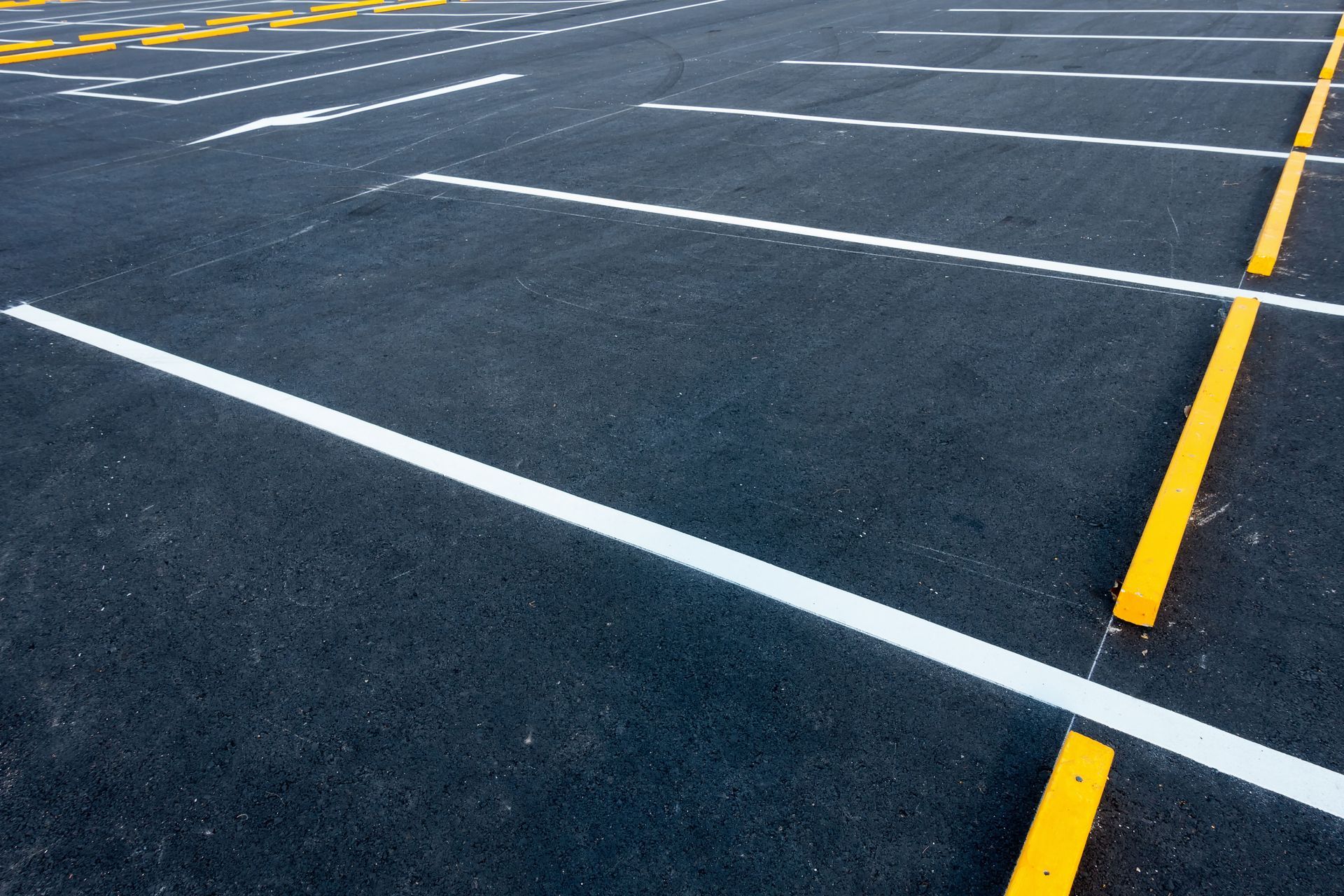
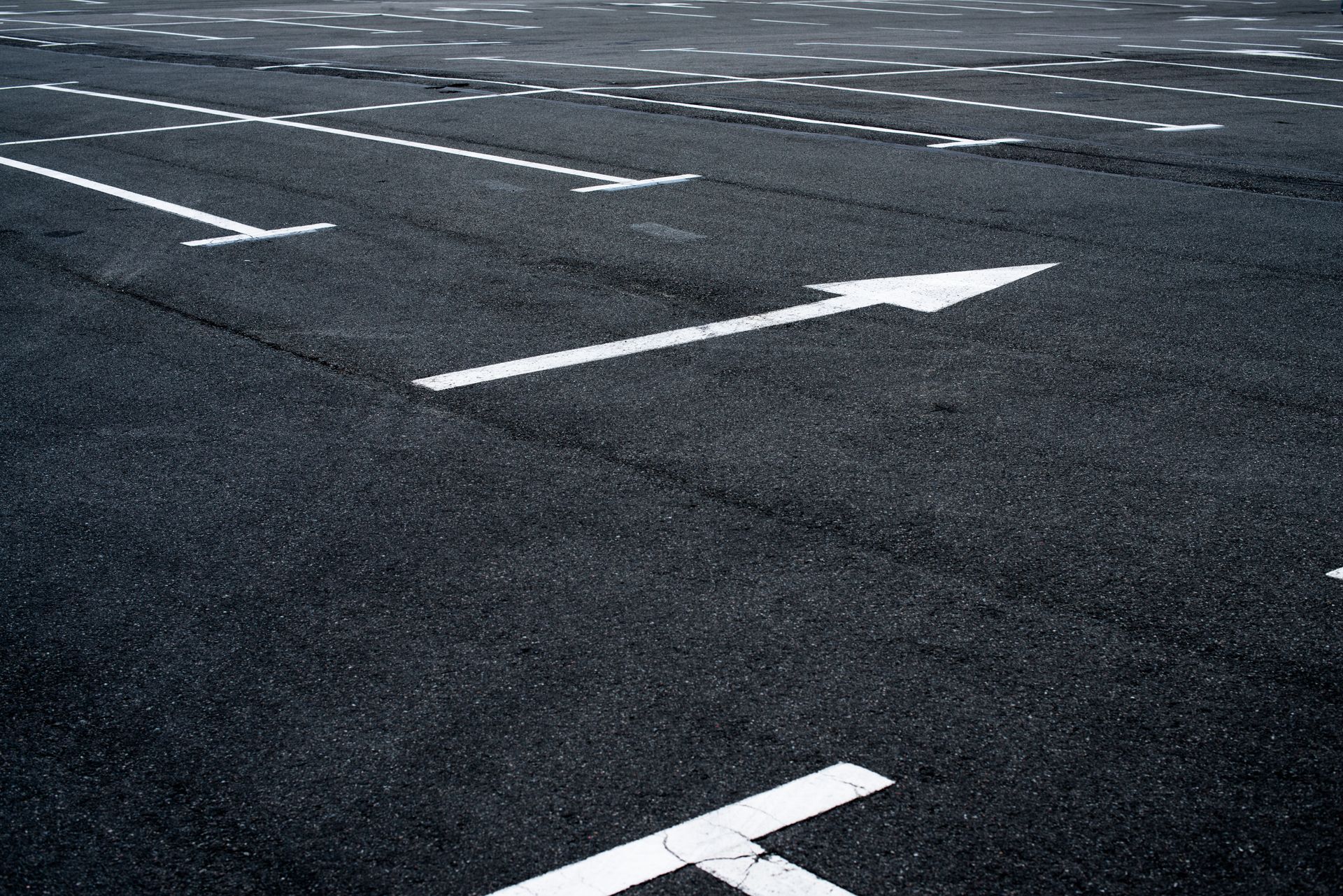
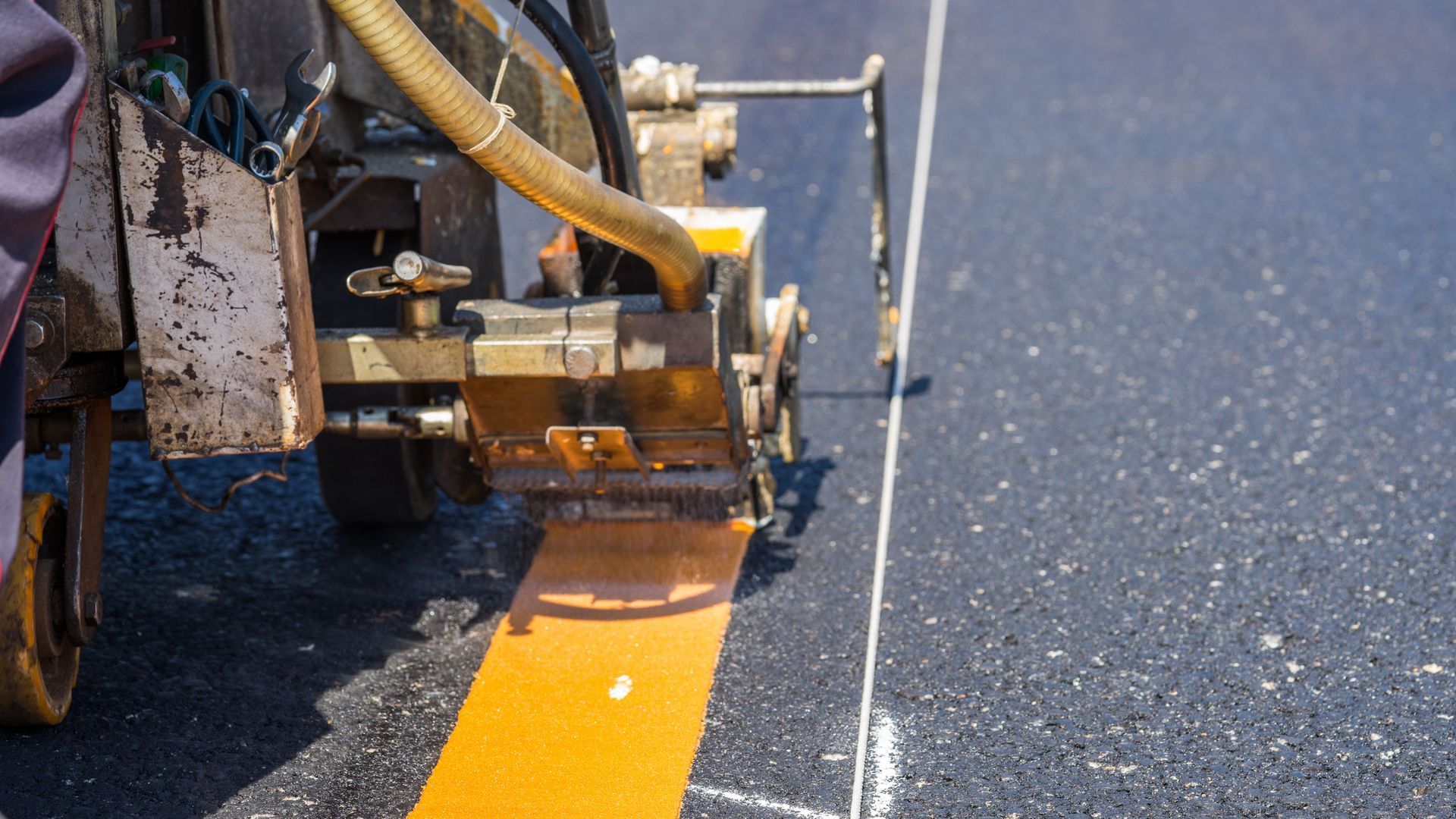
The functional utility of a commercial parking area depends heavily on the clarity of its painted navigation markers. Over several months, constant tire friction, sun exposure, and dirt coverage fade the bright lines that dictate traffic flow, designate pedestrian crosswalks, and mark accessible parking stalls. Faded markings confuse drivers, leading to chaotic traffic patterns, accidental fender benders, and a heightened risk of pedestrian accidents on your property. Investing in routine restriping restores order and ensures a predictable, safe environment for everyone.
Maintaining vivid, compliant markings is also a matter of legal necessity and risk management. Clearly defined stalls maximize parking capacity, while bright directional arrows and fire lane designations keep your property accessible to emergency vehicles. During a comprehensive strategy of parking lot maintenance, refreshing these coatings with durable, high-visibility traffic paint ensures your property remains compliant with local accessibility standards and municipal codes. This clear visual organization reduces the likelihood of accidents and protects property owners from potential legal disputes arising from poorly marked hazards.
When you are ready to implement a professional care strategy for your property, look no further than the experienced team at Cunningham Paving Co. As a leading voice in regional pavement preservation, our collective organization delivers the precise technical insight, state-of-the-art equipment, and meticulous craftsmanship required to keep your driving surfaces safe and visually flawless. We handle every detail of your pavement preservation needs—from foundational drainage adjustments to pristine surface coatings—with an uncompromising commitment to long-term durability. Contact our office today to schedule a comprehensive evaluation of your property and let our specialists build a customized care plan tailored to your specific budget and operational goals.

Share On: