
What to Expect When Partnering with a Full Service Industrial Asphalt Companies
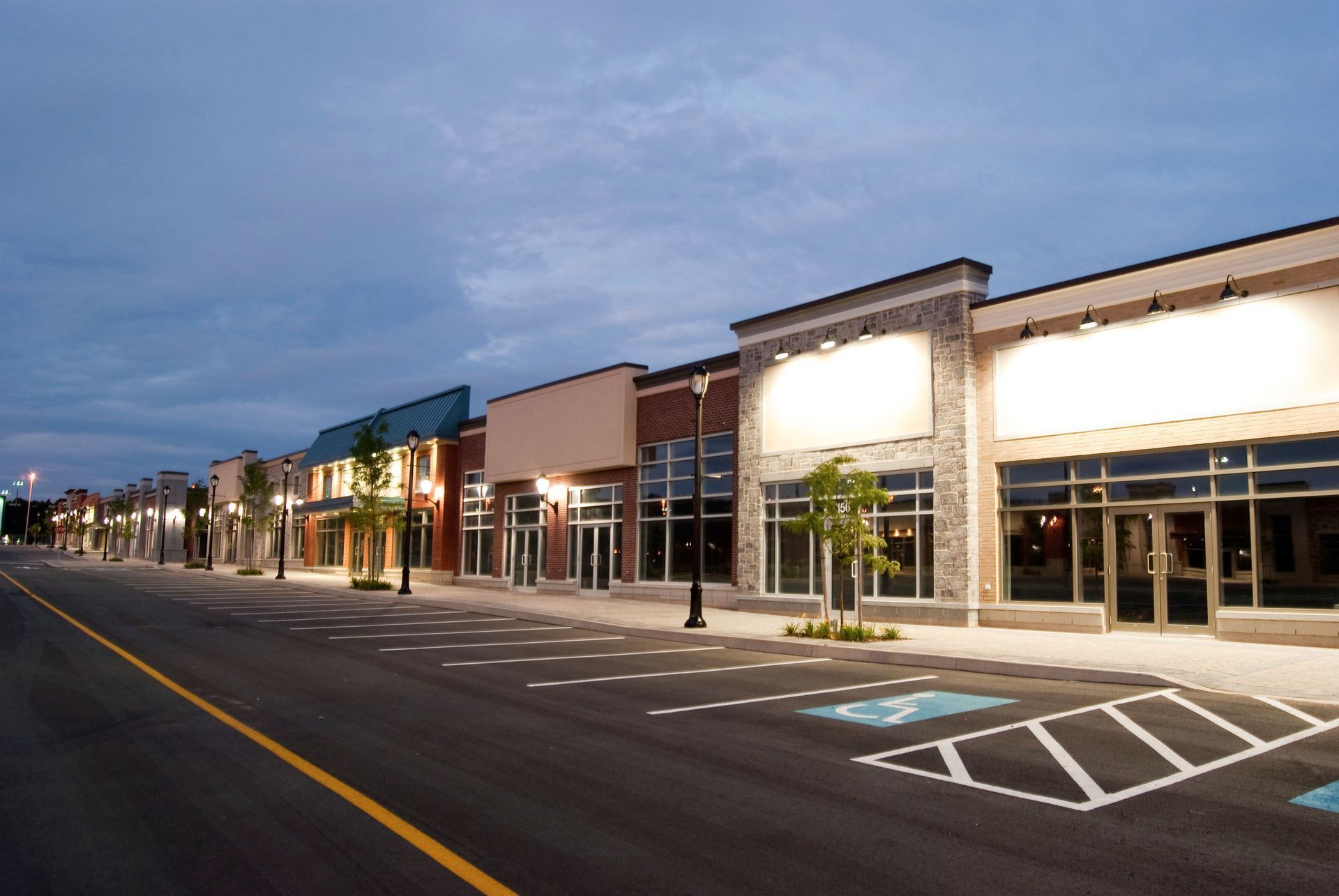
Industrial pavement plays an important role in how a property functions every day. Parking lots, loading areas, access roads, equipment yards, and service lanes must be strong enough to handle heavy traffic, changing weather, and daily use. When asphalt surfaces are cracked, uneven, poorly drained, or worn down, they can create safety concerns, slow operations, and leave a poor impression on customers, employees, drivers, and visitors. For industrial properties, dependable paving is not just about appearance. It is also about access, efficiency, durability, and long-term performance.
Partnering with full-service asphalt companies can make the process easier because they can help with planning, paving, repairs, maintenance, and long-term surface care. Instead of hiring separate providers for each stage, property owners and managers can work with one team that understands the site, the project goals, and the demands of industrial pavement. Knowing what to expect during the process can help you prepare, ask the right questions, and feel more confident about your paving investment.
Reviewing the Property and Project Goals
The process often begins with a review of the property and the specific goals for the project. Industrial properties can have many different pavement needs, from employee parking and customer access to truck traffic, storage areas, and loading zones. A full-service paving team can look at how the surface is used, where damage has developed, and what type of work may be needed to improve safety and performance.
This early review also helps identify problems that may not be obvious at first glance. Cracks, drainage concerns, weak base areas, potholes, surface wear, and traffic patterns can all affect the final recommendation. Experienced asphalt companies understand that industrial paving must be planned around both current conditions and future use. This helps create a project plan that supports the property's daily operations and long-term needs.
Planning the Scope and Schedule
Once the site has been reviewed, the next step is planning the scope of work. This may include new asphalt installation, resurfacing, patching, sealcoating, milling, repairs, or other pavement services. A clear scope helps property owners understand what will be done, why it is recommended, and how the work will support the condition of the property. It also helps prevent confusion once the project begins.
Scheduling is especially important for industrial properties because paving work can affect traffic flow, deliveries, employee parking, and customer access. A professional paving team can help plan the work in a way that reduces disruption as much as possible. This may involve completing the project in phases, coordinating around business hours, or helping property managers prepare drivers and staff for temporary changes.
Preparing the Surface and Base
Proper preparation is one of the most important parts of a successful asphalt project. Before new material is installed or repairs are completed, asphalt companies evaluate the surface and base to prepare them correctly. Weak areas may need to be removed, debris must be cleared, and existing damage may need attention. Without the right preparation, pavement may not perform as expected over time.
A full-service paving team understands that what happens beneath the surface is just as important as what is visible on top. The base supports the asphalt and helps it withstand traffic, weight, and weather exposure. If the base is unstable, pavement can crack, sink, or deteriorate sooner than expected. Careful preparation gives the finished surface a stronger foundation and helps improve long-term durability.
Installing Asphalt With Professional Equipment
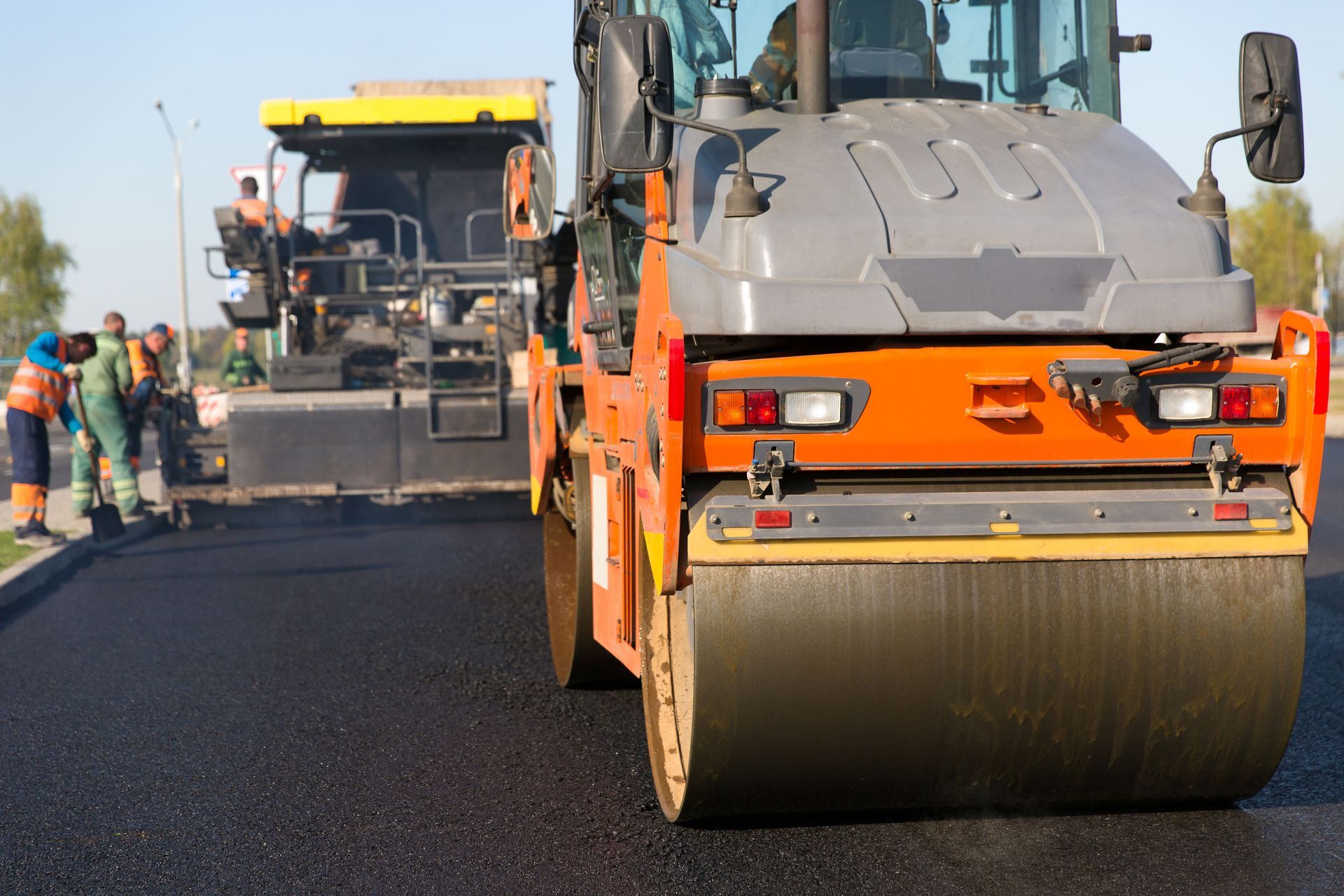
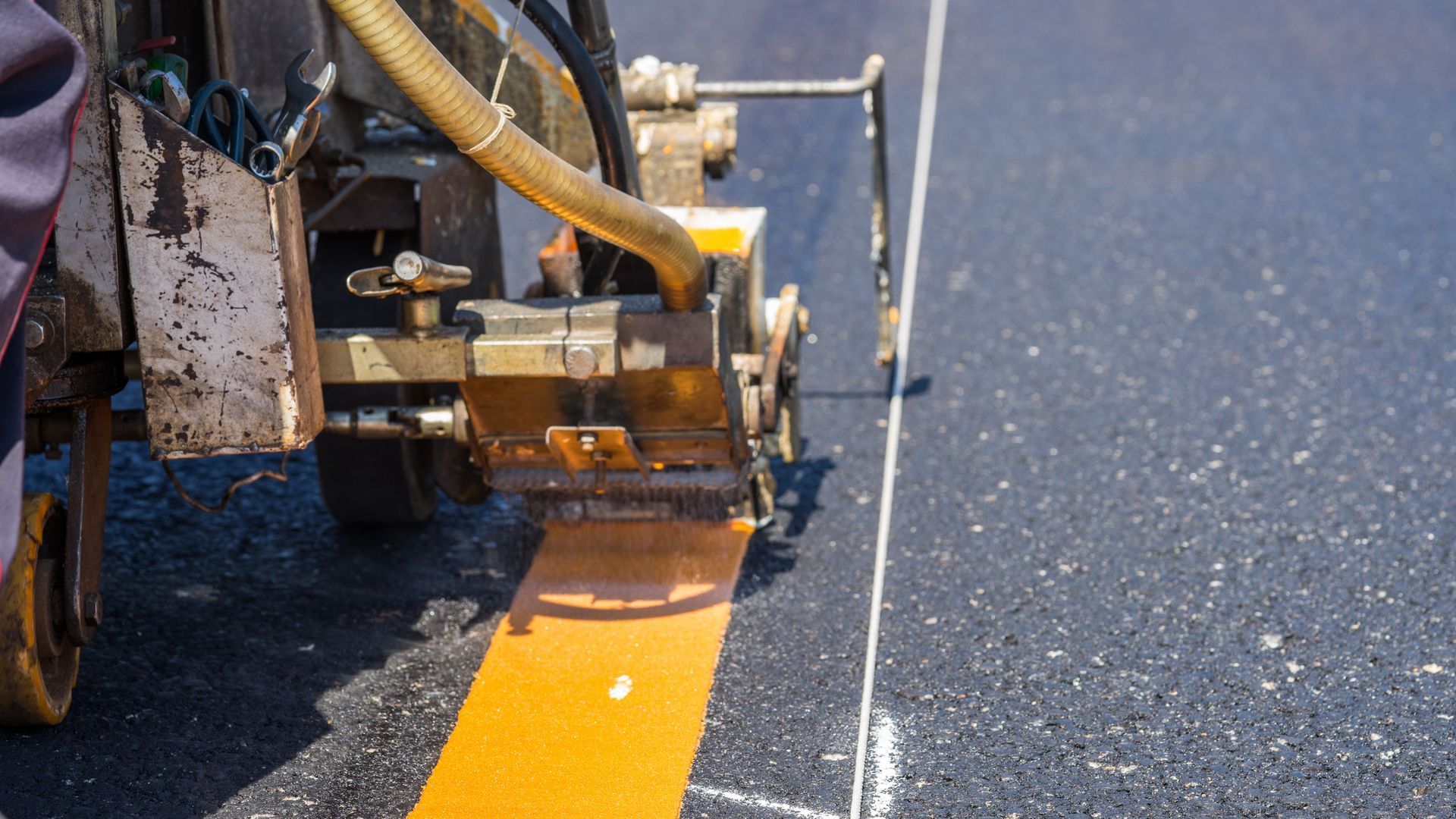
Industrial asphalt work requires the right equipment, materials, and installation methods. Heavy-use areas often need paving that can support trucks, machinery, and frequent traffic. Professional crews use equipment designed to place and compact asphalt properly, creating a smoother and stronger surface. Proper installation helps the pavement resist premature wear and supports safe movement across the property.
Working with asphalt companies that provide full-service support can also help maintain quality throughout the installation process. From material delivery to compaction and finishing, each step affects the final result. According to Forbes, asphalt paving has an average lifespan of 15 to 30 years. Reaching that kind of lifespan depends on proper installation, site conditions, traffic levels, and ongoing maintenance.
Managing Drainage and Surface Performance
Drainage is a major concern for industrial pavement. Standing water can weaken asphalt, contribute to cracks, and create hazards for vehicles and pedestrians. Poor drainage can also affect loading areas, entrances, and sections where heavy vehicles turn or stop. A full-service paving team can review how water moves across the property and recommend solutions that help direct it away from critical areas.
Surface performance also depends on slope, grading, and the overall condition of the pavement. A well-planned asphalt surface should support traffic while reducing low spots and problem areas where water can collect. When drainage and surface performance are addressed during the project, the pavement is better prepared to handle daily use and changing weather conditions.
Coordinating Repairs and Maintenance
One benefit of working with a full-service provider is having access to repair and maintenance support after installation. Even durable asphalt needs care over time. Cracks, potholes, fading, and surface wear can develop because of traffic, weather, moisture, and age. Addressing these issues early can help prevent small problems from becoming larger and more expensive repairs.
Asphalt companies may recommend maintenance services such as crack filling, patching, sealcoating, resurfacing, or periodic inspections, depending on the condition of the pavement. Regular maintenance helps protect the surface and extend its useful life. For industrial properties, this type of care can also support safer traffic flow, better curb appeal, and fewer interruptions caused by pavement problems.
Improving Safety and Accessibility
Safety is another important reason to invest in professional asphalt services. Uneven pavement, potholes, loose material, and poor drainage can create hazards for drivers, employees, visitors, and pedestrians. Industrial sites often have large vehicles, frequent deliveries, and busy access points, so pavement problems can quickly interfere with safe movement across the property.
Professional paving can improve accessibility by creating smoother surfaces, clearer traffic areas, and more dependable routes for vehicles and people. When pavement is properly installed and maintained, it can help reduce tripping hazards, vehicle damage, and operational delays. A safer surface also reflects well on the business because it shows that the property is being cared for responsibly.
Supporting Long-Term Property Value
Well-maintained asphalt can support the overall value and appearance of an industrial property. Pavement is one of the first things people notice when they arrive, and damaged surfaces can make a property look neglected. Clean, smooth, and properly maintained asphalt helps create a more professional impression for customers, tenants, vendors, and employees.
Long-term value also comes from reducing avoidable repair costs. When paving is planned correctly and maintained over time, property owners may be able to extend the life of the surface and avoid more disruptive repairs. By working with experienced asphalt companies, industrial property managers can make pavement decisions that support daily operations while protecting the property's long-term condition.
Partnering with a full-service asphalt provider can help industrial property owners manage every stage of pavement care, from planning and preparation to installation, repairs, maintenance, and long-term performance. By choosing experienced asphalt companies, projects can be completed with attention to durability, safety, drainage, scheduling, and the unique demands of industrial traffic. A dependable pavement surface can improve access, reduce hazards, support property value, and help daily operations run more smoothly. If your industrial property needs professional paving support, contact Cunningham Paving Co.




Share On: