
How Quality Commercial Asphalt Paving Improves Properties
Commercial properties depend on safe, functional, and attractive paved areas for daily operations. Parking lots, driveways, access roads, and other paved surfaces can affect how people move through a property and how the site looks. This article explains how commercial asphalt paving can improve safety, appearance, drainage, accessibility, and long-term property value.
Improving Safety And Accessibility
Well-maintained pavement creates a smoother and more predictable surface for vehicles and pedestrians. Cracks, potholes, uneven areas, and damaged pavement can make it harder for drivers to navigate a parking lot or access road. These conditions can also create trip hazards for people walking across the property. Quality commercial asphalt paving provides a more consistent surface that supports safer movement throughout a property. Clear travel paths and properly maintained paved areas can make parking lots easier to navigate. A smooth surface can also help reduce sudden vehicle movements caused by drivers avoiding damaged areas.
Accessibility is another important consideration. Commercial properties may serve employees, customers, delivery drivers, and visitors throughout the day. Maintaining pavement in good condition can make it easier for people to reach entrances, parking spaces, walkways, and other areas of the property.
Reducing Surface Damage
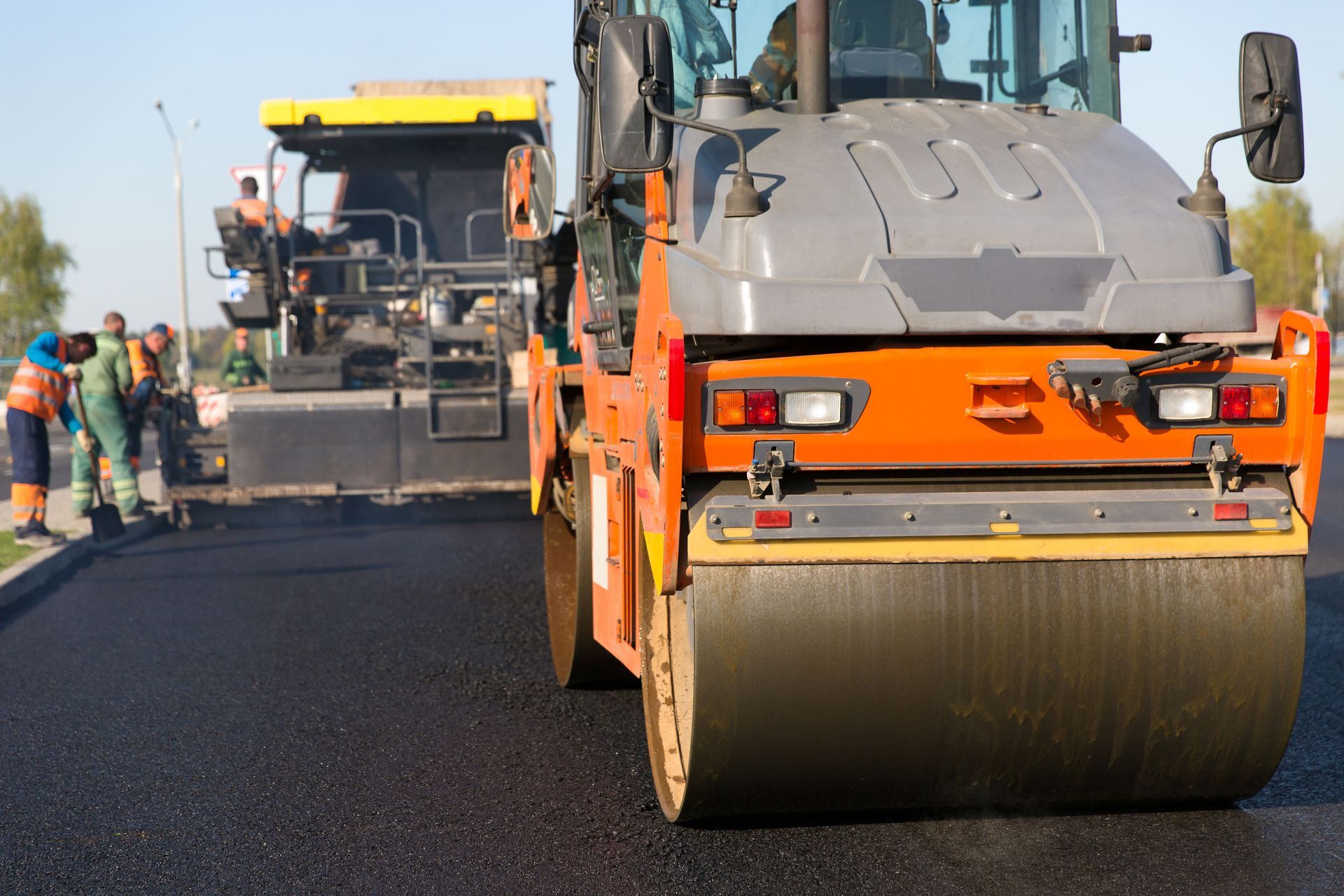
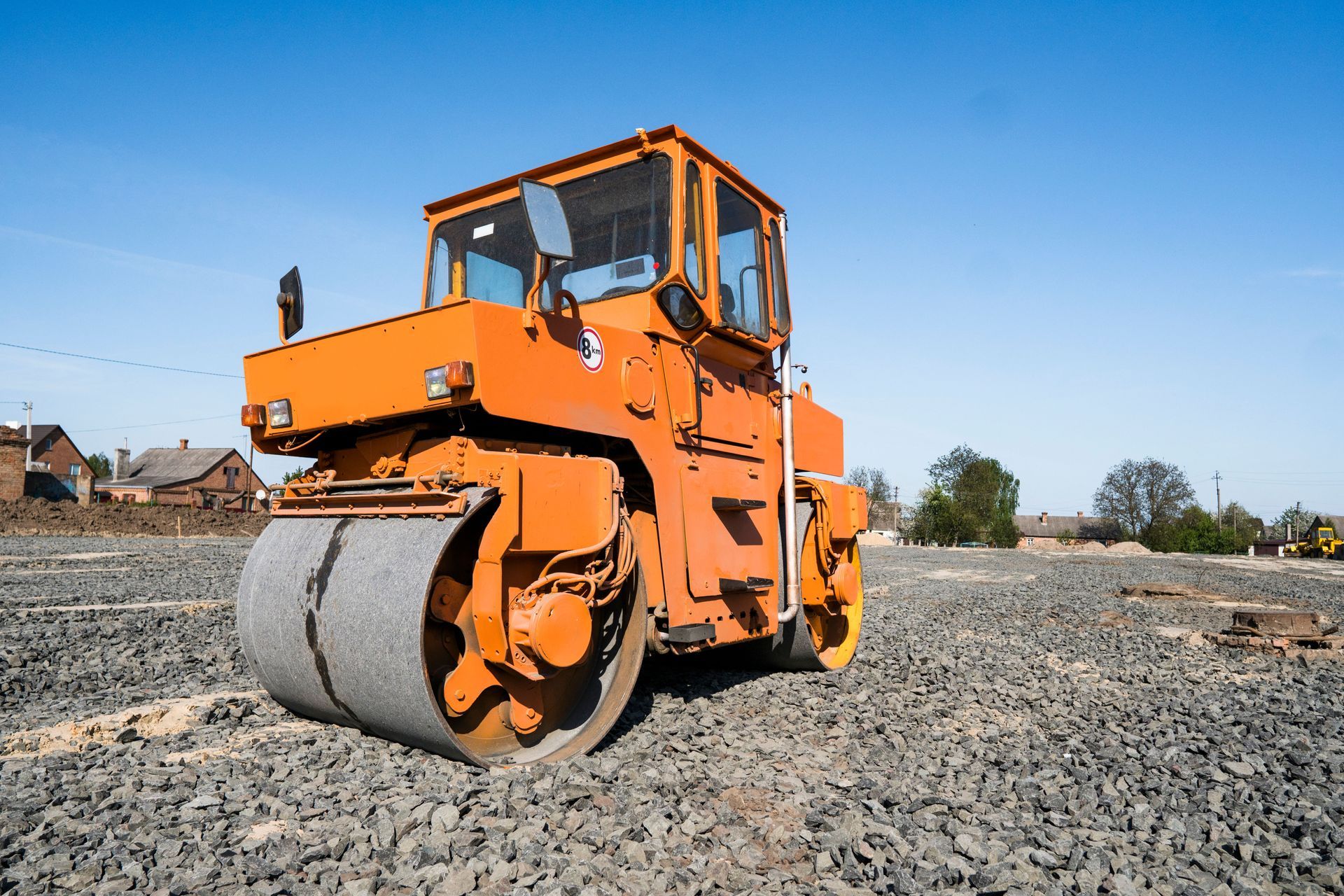
Asphalt surfaces are exposed to vehicle traffic, weather, moisture, and regular wear. Over time, these factors can cause cracks and other forms of deterioration. Small pavement problems can become more noticeable when they are not addressed as part of a planned maintenance approach. Quality commercial asphalt paving creates a durable surface designed to handle regular use. Proper preparation and installation can help the pavement remain functional as traffic and environmental conditions place stress on the surface. Keeping the pavement in good condition can also help limit the spread of damage.
According to the National Asphalt Pavement Association, driving on deteriorated roads costs motorists up to $130 billion every year. While this figure applies to roads across the broader transportation system, it shows how poor pavement conditions can create costs and inconvenience for drivers. Maintaining commercial pavement can help provide a smoother driving experience while reducing issues associated with deteriorated surfaces.
Managing Water And Drainage
Water is one of the most important factors affecting pavement performance. When water collects on a paved surface or reaches areas beneath the asphalt, it can contribute to deterioration. Standing water can also make parking lots and access areas less convenient and less safe during wet conditions.
Proper grading and drainage help direct water away from paved areas. Quality commercial asphalt paving should account for how water moves across the property rather than focusing only on the visible surface. A properly planned pavement layout can help reduce areas where water collects. Drainage also affects the surrounding property. Water that remains on pavement can eventually affect nearby landscaping, entrances, walkways, and other parts of the site. Addressing drainage as part of pavement planning can help create a more functional property overall.
Enhancing Property Appearance
The condition of a commercial property can influence how visitors, customers, employees, and business partners view the site. A parking lot with extensive cracks, potholes, stains, or uneven areas can make a property appear neglected. Clean, well-maintained pavement creates a more organized appearance.
Commercial asphalt paving can give large paved areas a more uniform look. A consistent surface can make parking areas and access points appear cleaner and more orderly. This can be particularly valuable for businesses that receive frequent visitors or rely on a polished exterior appearance. Property appearance also affects how the different areas of a site work together visually. Well-maintained pavement can complement buildings, landscaping, signage, and other exterior features. Keeping these elements in good condition can create a more cohesive overall property.
Supporting Daily Traffic
Commercial properties often experience more traffic than residential properties. Employees may arrive throughout the day, customers may enter and leave regularly, and delivery vehicles may need access to specific areas. Pavement needs to accommodate these patterns while remaining functional.
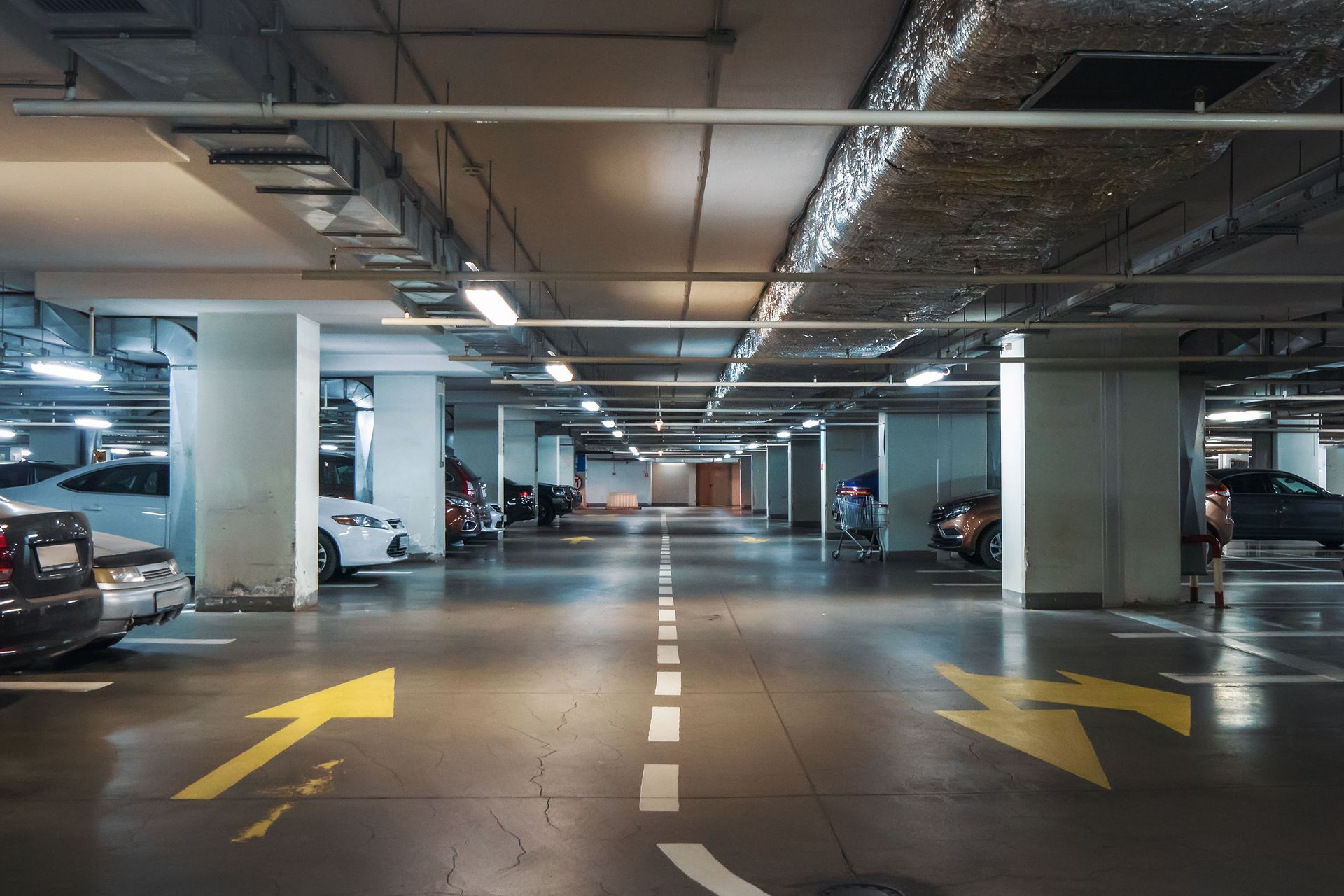
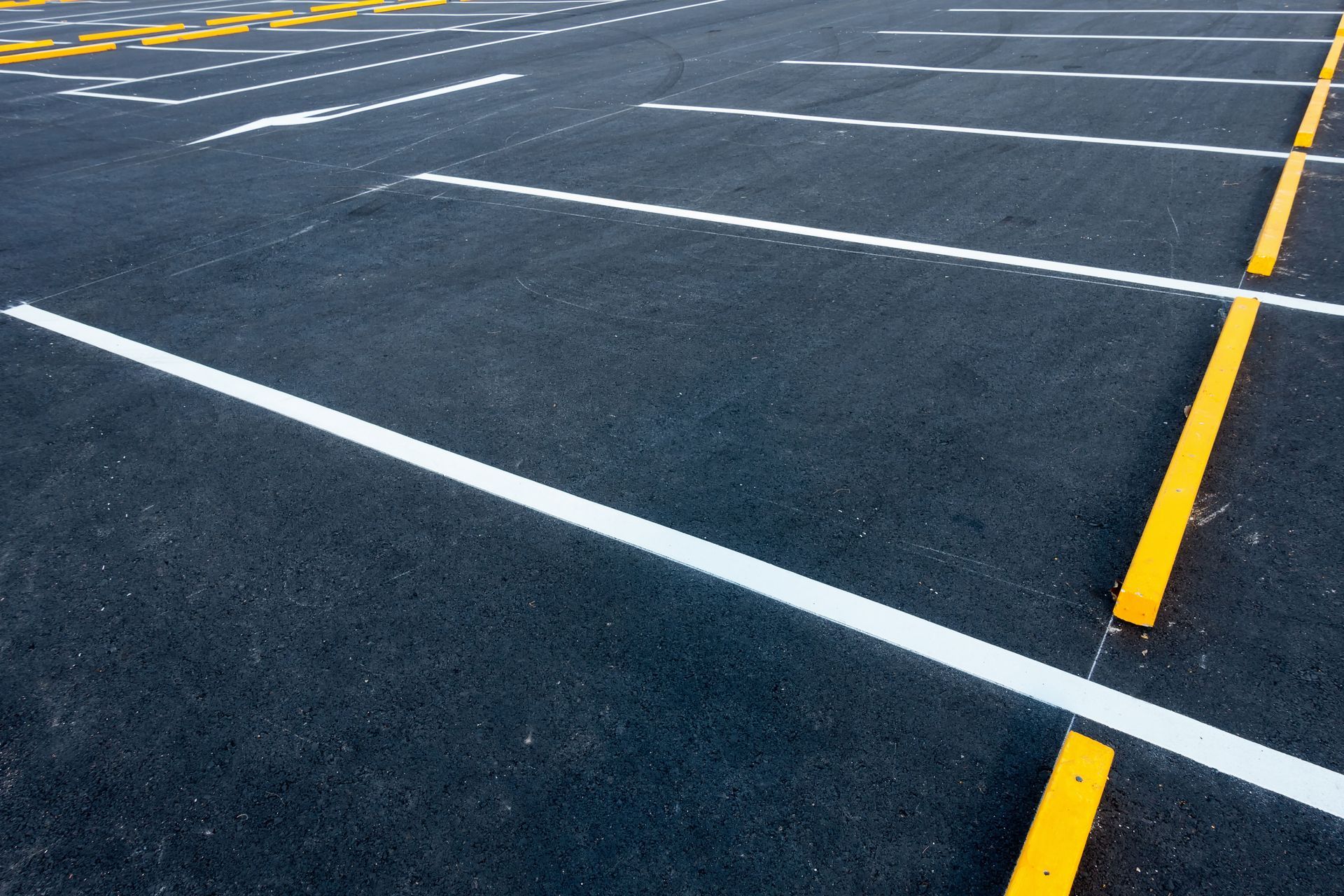
Well-planned commercial asphalt paving can provide surfaces suited to the property's expected traffic. Parking areas, drive lanes, loading zones, and other paved spaces may experience different levels of use. Considering traffic patterns helps create pavement that supports the way a property operates. A functional paved layout can also improve traffic flow. Clearly defined areas can help drivers understand where to park, where to travel, and where to access different parts of a site. This can reduce confusion and help the property operate more efficiently.
Maintaining Consistent Conditions
Pavement receives continuous exposure to traffic and changing environmental conditions. Even a well-installed surface will eventually require attention as it ages. Regular evaluation can help property owners and managers understand how the pavement is performing and when professional assistance may be appropriate.
Professional evaluation can identify cracks, drainage concerns, uneven areas, and other conditions that may affect pavement performance. Seeking professional help when issues appear can make it easier to determine the appropriate approach for maintaining the property. Ongoing maintenance also helps preserve a consistent appearance. Rather than allowing isolated pavement problems to spread across a larger area, property managers can address concerns based on the condition and needs of the site. This approach supports safer and more functional paved spaces over time.
Improving Overall Property Function
Pavement connects many parts of a commercial property. Parking areas connect vehicles with building entrances. Access roads connect different parts of a site. Service areas provide space for deliveries and other operational activities. When pavement is in good condition, these areas can work together more effectively.
Commercial asphalt paving can support this overall function by providing durable surfaces for regular vehicle and pedestrian activity. The goal is not simply to create a visually appealing surface. The pavement should also fit the property's layout, traffic demands, drainage needs, and daily use. Well-planned paved areas can make a property easier to navigate and maintain. They can also help reduce disruptions caused by damaged or poorly functioning pavement. When the paved portions of a property perform as intended, the entire site can benefit.
Preserving Long-Term Performance
Quality pavement is an investment in the ongoing condition of a commercial property. Its performance depends on factors such as traffic, drainage, weather, installation quality, and regular maintenance. Taking these factors into account can help paved surfaces remain useful for longer. Commercial asphalt paving provides a foundation for maintaining parking areas, driveways, access roads, and other important paved spaces. Professional planning and installation can help address the conditions that affect pavement performance from the beginning.
Property owners and managers should also pay attention to changes in pavement condition over time. Cracks, potholes, drainage problems, and surface wear can indicate that professional evaluation is needed. Addressing these concerns at the right time can help protect the condition and usability of the property.
Strengthening Property Appeal
A commercial property should provide a practical environment for the people who use it while presenting a clean and organized appearance. Pavement plays a role in both areas. From the first approach to the property to movement between parking and building entrances, paved surfaces are part of the visitor experience.
Quality commercial asphalt paving can improve the appearance, safety, accessibility, and functionality of these areas. It can also support smoother traffic movement and help manage water across the site. These benefits make pavement an important part of maintaining a commercial property. Commercial property owners and managers can benefit from evaluating pavement as part of the larger condition of their sites. Seeking professional help can provide guidance on pavement needs, surface conditions, drainage, and long-term maintenance.
A well-maintained paved property can provide practical benefits today while supporting its condition for years to come. When pavement is planned, installed, and maintained with the property's needs in mind, it can contribute to a safer, cleaner, and more functional commercial environment. For dependable commercial asphalt paving, contact Cunningham Paving Co. to discuss the pavement needs of your commercial property.


Share On: