
How Weather and Seasons Affect Asphalt Parking Lots
Asphalt parking lots are constantly exposed to the elements. Unlike interior surfaces, they take the full force of sun, rain, snow, wind, and temperature changes year after year. Over time, these environmental conditions influence how asphalt looks, how it performs, and how long it lasts. Even well-installed pavement responds to weather patterns, which is why seasonal awareness plays such an important role in long-term surface care and planning.
From scorching summer heat to freezing winter temperatures, each season creates a different type of stress on asphalt. Understanding how weather and seasons affect parking lots helps property owners recognize early warning signs, anticipate maintenance needs, and make informed decisions when working with an asphalt paving company. According to Neighbor, the average American parking space is 8 feet wide, which means even minor surface movement can affect striping alignment, drainage flow, and overall lot usability. In this article, we'll take a closer look at how different weather conditions and seasonal shifts impact asphalt parking lots and what those effects mean over time.
Winter Freeze and Thaw Cycles Cause Cracking
Cold winter temperatures create one of the most challenging environments for asphalt parking lots. When temperatures drop, asphalt contracts. As they rise again, it expands. This repeated freeze-and-thaw cycle places stress on the pavement structure, especially if moisture has already worked its way into small surface openings.
Water that enters tiny cracks can freeze overnight and expand, pushing the surrounding asphalt apart. As this process repeats, those hairline cracks widen and deepen. Over the course of a single winter, what began as barely visible damage can turn into significant cracking that compromises the surface. Parking lots in regions with frequent temperature swings are particularly vulnerable to this type of deterioration.
Snow and Ice Accelerate Surface Wear
Snow and ice don't just sit harmlessly on asphalt. Their presence adds weight, traps moisture, and often leads to mechanical stress during removal. Snowplows, while necessary, can scrape the surface, especially if the asphalt already has uneven areas or raised edges from previous damage.
Deicing materials also play a role. While salt helps improve safety, it can increase moisture penetration by lowering the freezing point of water. This allows water to seep deeper into the asphalt before freezing again, accelerating surface breakdown. Over time, repeated exposure to snow, ice, and removal methods can shorten the usable lifespan of a parking lot.
Spring Rain Reveals Drainage Problems
Spring often brings heavier rainfall, which can expose drainage issues that weren't obvious during drier months. Asphalt parking lots are designed to move water away from the surface, but when grading or drainage systems fall short, water can pool in low spots.
Standing water weakens asphalt by softening the binder that holds aggregates together. It also increases the risk of sub-base erosion beneath the surface. As water repeatedly enters and exits the pavement structure, it creates voids that eventually lead to surface depressions and cracking. Spring rain often highlights these trouble areas, making it a key season for evaluating lot performance.
Rising Temperatures Soften Asphalt Surfaces
As temperatures climb in late spring and summer, asphalt becomes more flexible. While flexibility can be beneficial, excessive heat can soften the surface too much, especially in high-traffic areas. This softening makes asphalt more susceptible to deformation under the weight of vehicles.
Heavy vehicles parked for long periods can leave indentations, particularly in areas with frequent stopping, turning, or loading. These surface distortions may appear subtle at first, but over time, they contribute to uneven pavement and drainage issues. Prolonged heat exposure can also accelerate the aging process of asphalt materials.
Summer Sun Causes Oxidation and Fading
Sunlight plays a major role in asphalt aging. Ultraviolet rays break down the oils within asphalt, leading to oxidation. As oxidation progresses, the surface becomes more brittle and less flexible. This makes it more likely to crack under stress from traffic or temperature changes.
Fading is often the first visible sign of sun-related damage. Rich black asphalt gradually turns gray as oils evaporate. While fading may seem cosmetic, it signals a loss of protective properties that help asphalt resist moisture. Over time, sun exposure sets the stage for more serious structural issues.
Heat Waves Increase Expansion Stress
Extended periods of extreme heat can push asphalt beyond its normal expansion range. When pavement expands repeatedly without adequate relief, stress builds within the surface. This stress can cause existing cracks to widen and new ones to form.
Heat waves also place extra strain on expansion joints and transitions between asphalt and concrete areas. These junctions often experience movement at different rates, which can lead to separation or cracking. Summer conditions may look calm on the surface, but internal stress continues to accumulate during prolonged heat exposure.
Autumn Temperature Swings Create Surface Fatigue
Fall introduces rapid temperature changes between warm days and cool nights. These fluctuations create ongoing expansion and contraction cycles that fatigue the asphalt surface. While not as extreme as winter freezing, this repeated movement weakens the pavement over time.
Autumn also brings falling leaves and debris that can block drainage systems. When water can't flow freely off the surface, it increases moisture exposure just as temperatures begin to drop. This combination often sets the stage for winter damage by trapping water in vulnerable areas.
Moisture Penetration Weakens Structural Layers
Rain, snowmelt, and humidity all contribute to moisture penetration within asphalt parking lots. Once water reaches the lower layers of the pavement structure, it can weaken the base and sub-base materials. These layers provide essential support, and when compromised, surface failures follow.
Moisture-related damage often appears as alligator cracking, rutting, or sinking areas. Seasonal weather patterns that bring frequent precipitation increase the likelihood of this type of deterioration. Addressing moisture pathways early helps limit long-term structural damage.
Seasonal Traffic Patterns Intensify Wear
Weather and seasons also influence how parking lots are used. Retail centers may see heavier traffic during holiday seasons, while resorts and recreational facilities experience peak use during warmer months. Increased traffic during certain seasons places additional stress on asphalt surfaces already affected by weather conditions.
Hot weather combined with high traffic can accelerate surface deformation, while winter traffic on brittle asphalt increases cracking risk. Understanding seasonal traffic trends helps align maintenance efforts with periods of the highest stress.
Wind and Debris Contribute to Surface Abrasion
Strong winds carry debris such as sand, dirt, and gravel across parking lots. Over time, this abrasive material wears down the asphalt surface, especially in exposed areas. Wind-driven debris can also clog drainage channels, compounding moisture-related issues.
In colder climates, wind increases evaporation rates, which can dry out asphalt oils more quickly. This gradual abrasion and drying process contributes to surface aging, even when other weather conditions appear mild.
Weather Impacts Pavement Markings and Visibility
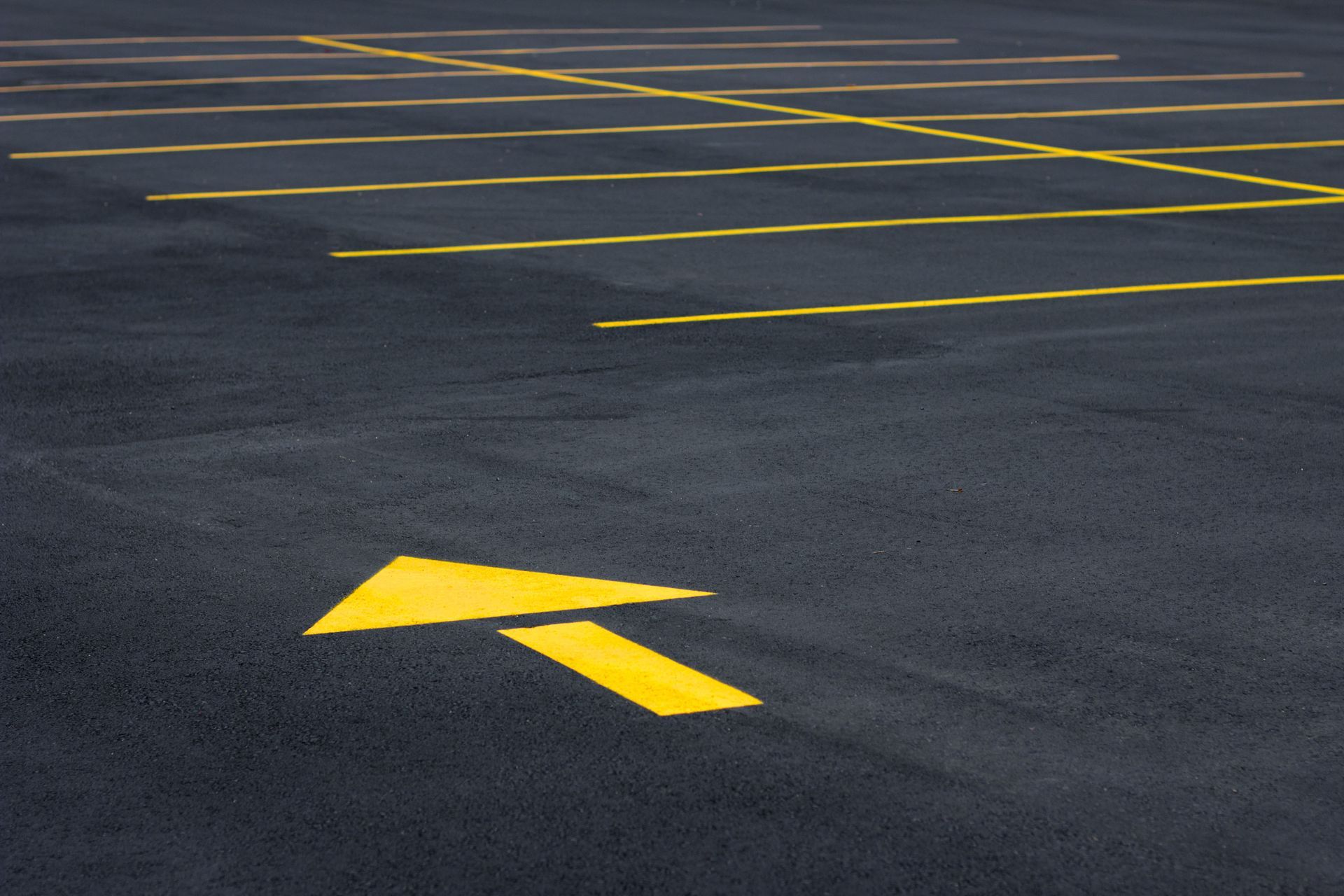
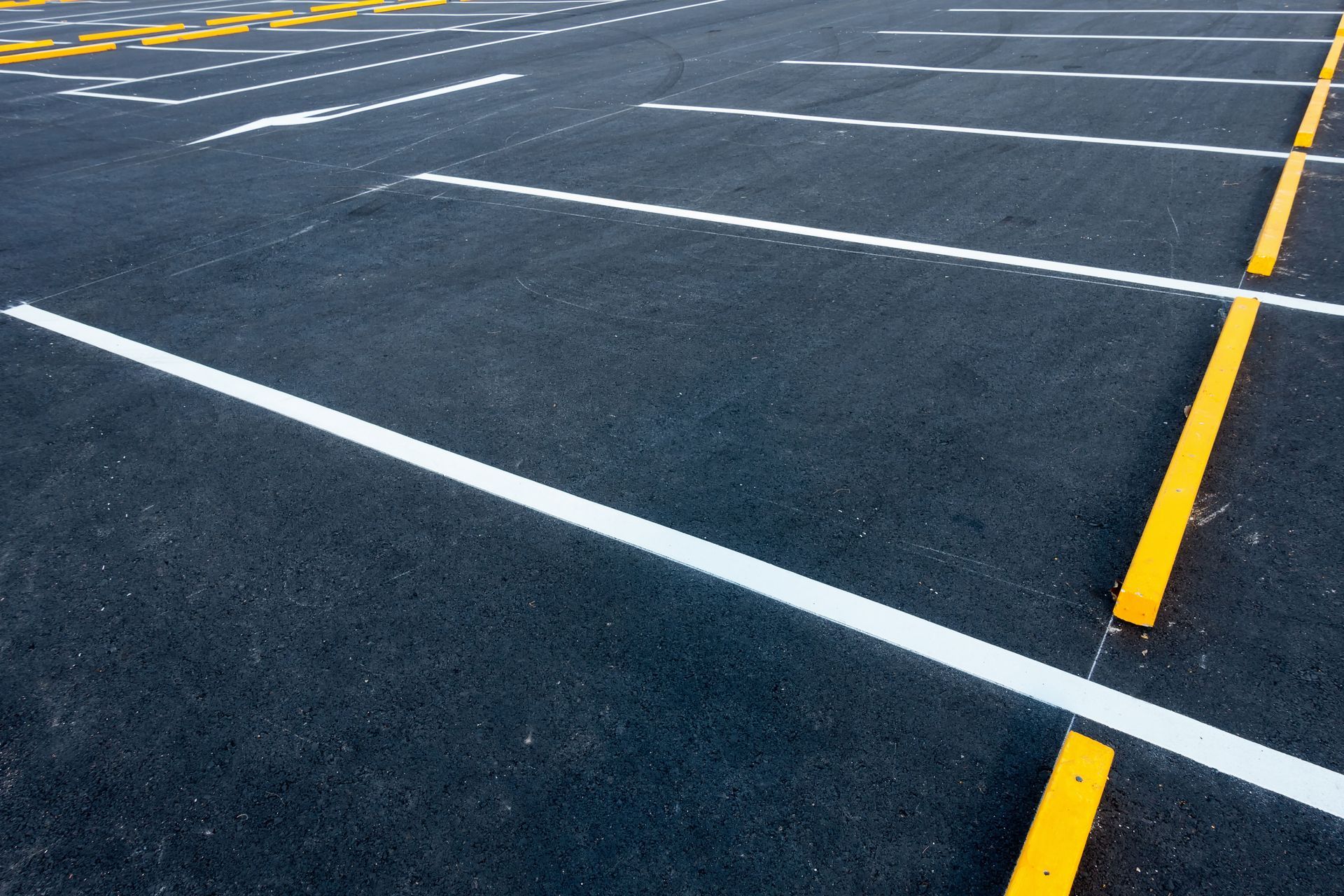
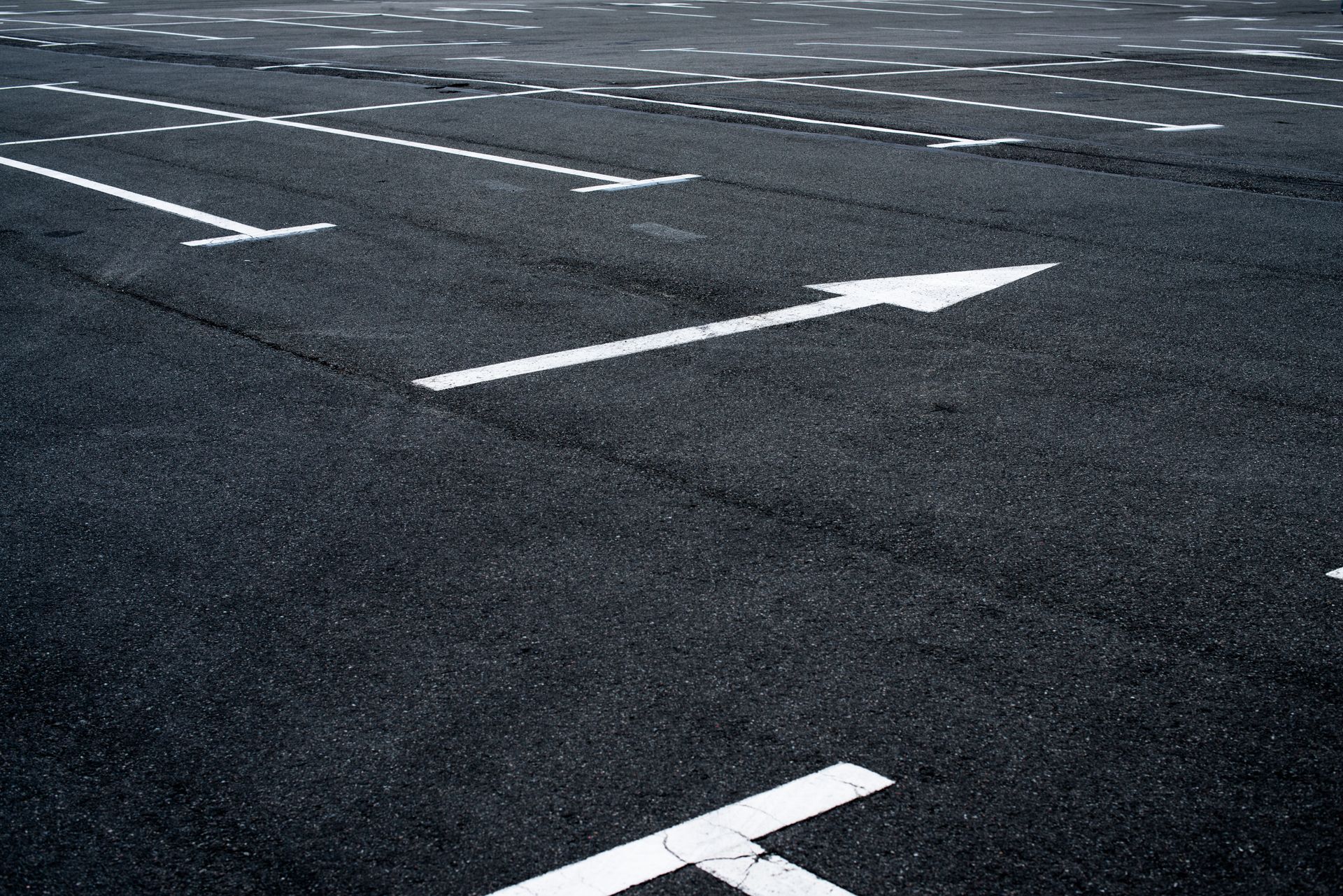
Striping and pavement markings are also affected by weather and seasonal exposure. Sunlight fades paint, rain washes away poorly bonded markings, and snow removal can scrape lines from the surface. As markings degrade, parking efficiency and safety decline.
Since the average American parking space is 8 feet wide, accurate striping is critical for proper layout and traffic flow. Weather-related wear can distort these dimensions, making restriping an important part of seasonal lot care.
If your parking lot is showing signs of seasonal wear, consider scheduling a professional evaluation to protect your investment and keep your property safe and functional year-round. Get in touch with our team at Cunningham Paving Co today!
Share On: