Choosing the Right Asphalt Paving Company: Understanding Asphalt Depth

December 12, 2025

Choosing a reliable asphalt paving company is one of the most critical decisions property managers, business owners, and city planners make when investing in pavement for commercial, industrial, or municipal properties. These large-scale environments experience far more stress than the typical residential driveway. Heavy truck traffic, delivery routes, buses, equipment loading zones, and continual daily use require a pavement structure built for durability and long-term performance. Among all the technical components of paving, asphalt depth is one of the most important yet often misunderstood elements.


For commercial projects, the consequences of insufficient asphalt depth can be costly and disruptive. Premature cracking, rutting, potholes, drainage failures, and structural deformation all stem from a pavement system that was not designed with the proper layer thickness. Understanding how asphalt depth is determined—and how to evaluate a contractor's recommendations—empowers decision-makers to make informed choices that protect their investment. This article explains why asphalt depth matters and how to identify a qualified asphalt paving company that uses correct engineering standards for commercial, industrial, and municipal work.


Evaluating Load Requirements for High-Use Properties

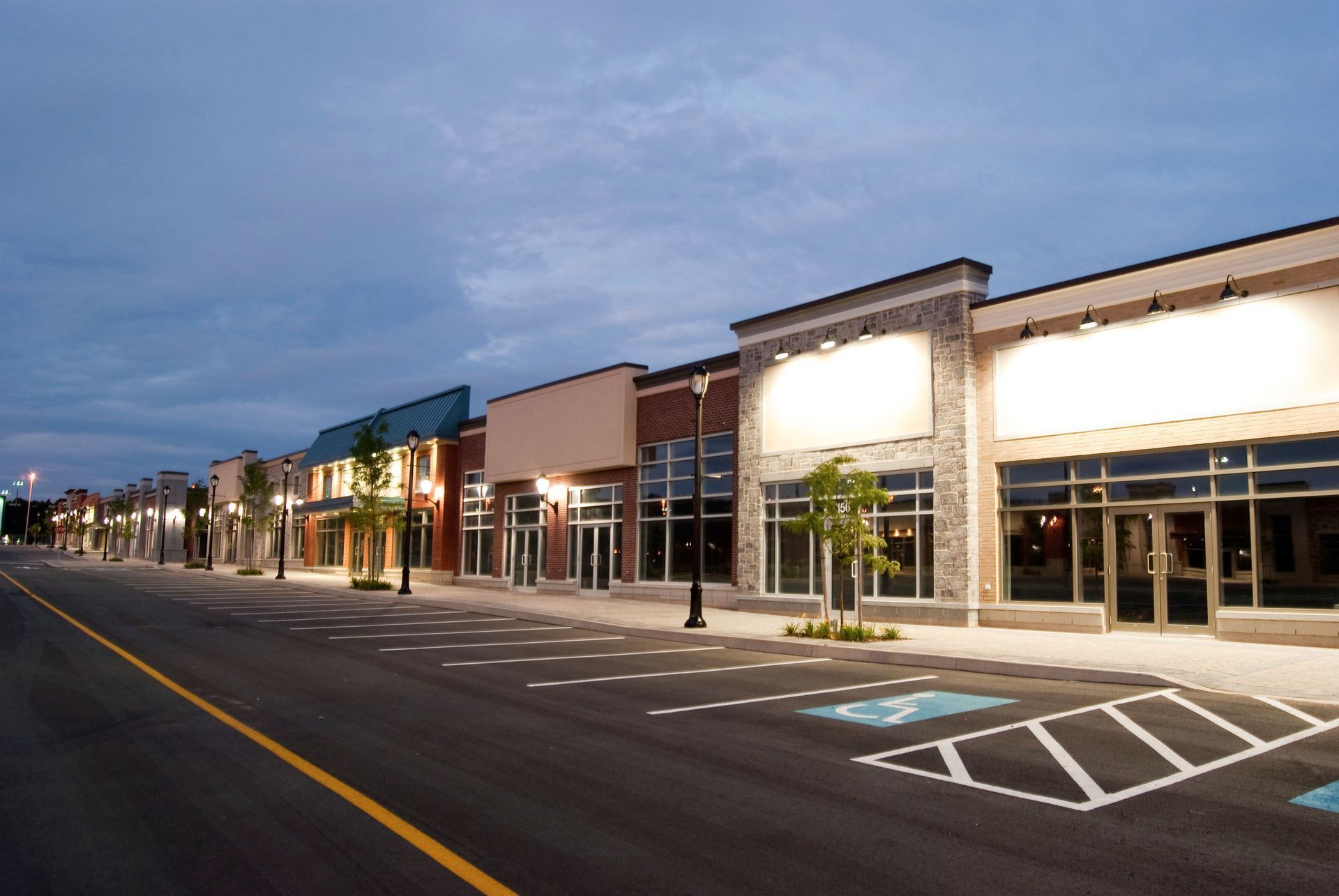
A key difference between commercial or municipal paving and small-scale residential work is the expected load. Pavement for shopping centers, warehouses, manufacturing facilities, public streets, emergency routes, and transit stations must support constant pressure from large vehicles. Heavy trucks, buses, sanitation vehicles, semis, and equipment haulers create forces far greater than what a standard residential driveway experiences.

According to HomeGuide, most residential driveways need two to three inches of asphalt, while commercial lots or driveways expecting heavy vehicles and wear need four inches or more. While this benchmark is a helpful comparison, many commercial or municipal environments require even greater thicknesses or multi-layer asphalt systems to maintain structural integrity. A knowledgeable asphalt paving company understands how to calculate loads and determine whether a single asphalt layer will perform adequately or if multiple lifts are needed.


When evaluating contractors, decision-makers should look for companies that conduct site assessments, ask questions about traffic patterns, and analyze peak load conditions. A company that proposes asphalt depth without investigating these factors is likely using a generic approach that may not hold up under commercial demands.


Assessing Sub-Base Design for Commercial Stability

The sub-base—the foundation beneath the asphalt surface—is particularly critical in high-use settings. Commercial and municipal pavements often extend across larger areas, meaning soil inconsistencies and drainage patterns can vary widely. If the sub-base is not engineered correctly, asphalt depth alone cannot prevent premature pavement failure.


A qualified asphalt paving company will examine soil composition, evaluate drainage requirements, and design a sub-base that supports heavy loads without shifting or degrading. This preparation may include removing unsuitable soils, installing geotextile fabric, building multi-layer aggregate systems, and compacting each layer with precision.


Industrial properties, distribution centers, and transportation hubs place additional stress on pavement due to predictable vehicle paths. Trucks entering and exiting the same gate daily or forklifts following similar routes cause concentrated wear. These areas often require thicker sub-base layers or reinforced support structures. Municipal properties such as intersections and bus stops also demand reinforced base construction to prevent rutting.

The right contractor will not only understand these requirements but will also communicate them clearly. A dependable asphalt paving company sees sub-base engineering as the backbone of long-lasting pavement performance.


Comparing Asphalt Mix Types for Commercial Durability

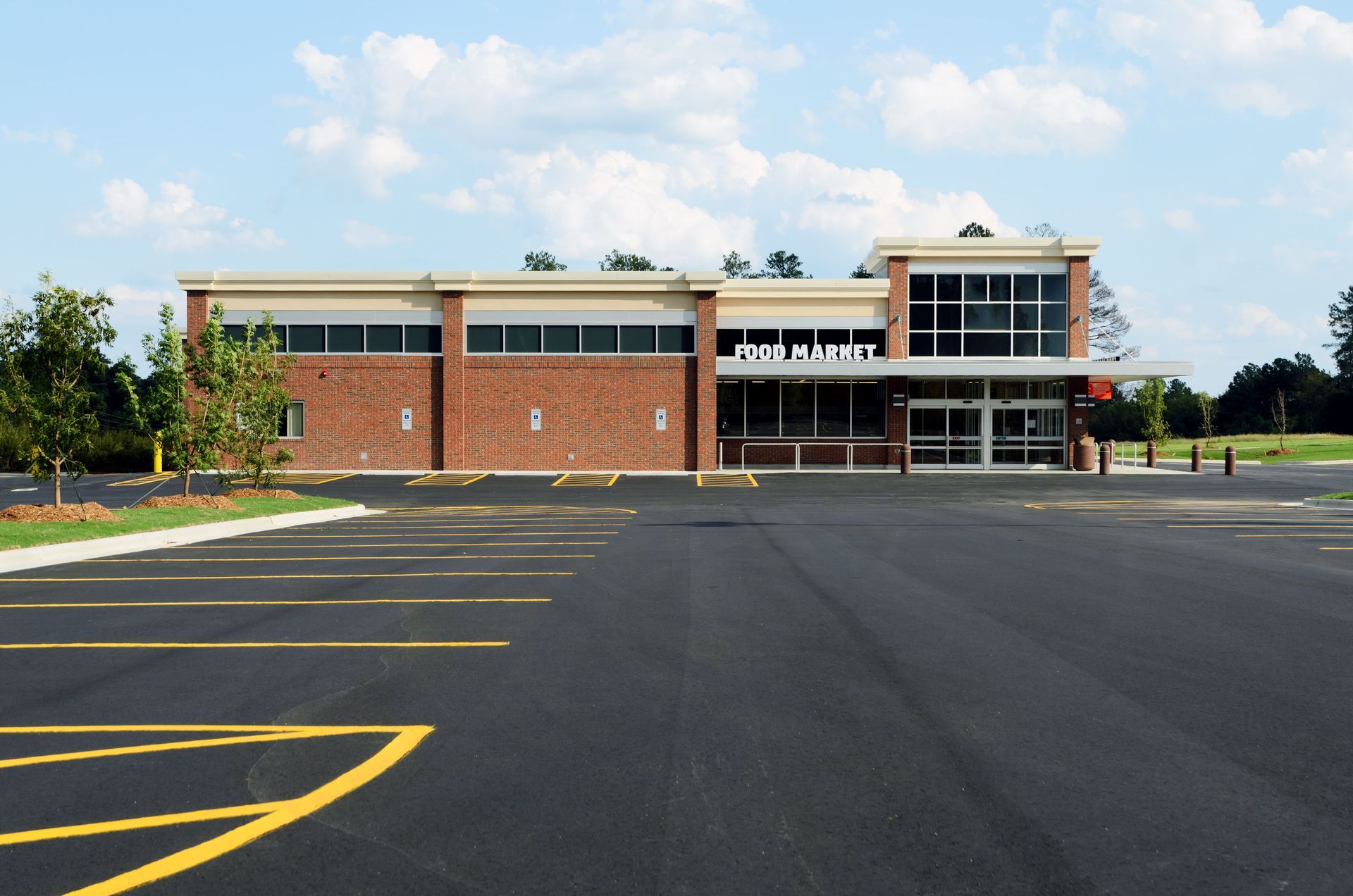
Commercial and municipal asphalt projects require higher-grade mixes than residential ones. Mixes used for parking lots must resist fuel spills, temperature fluctuations, and slow-moving traffic. Those used for industrial or trucking facilities must be dense enough to handle static loads from parked semis or equipment staging. Municipal roadways require mixes engineered to withstand weather extremes and the repetitive pressure of public transit.

A reputable asphalt paving company will use asphalt mixes that meet Department of Transportation (DOT) specifications or other municipal standards.


They will also be able to explain the difference between surface courses, binder layers, and base asphalt. Multi-layer systems are common in commercial paving, with each lift designed to perform a specific function—from stability to load distribution to smoothness.


Contractors who fail to distinguish between mix types or cannot describe why a specific mix is being used may not have the experience necessary for large-scale work. High-quality asphalt begins with appropriate material selection tailored to the demands of the property.


Understanding How Environmental Conditions Affect Asphalt Depth

Commercial and municipal surfaces are exposed to diverse environmental elements that directly influence asphalt depth requirements. Areas with freeze-thaw cycles require thicker asphalt and stronger sub-base layers to prevent cracking or frost heave. Regions prone to heavy rainfall need pavement systems designed to manage runoff without causing erosion or base saturation.


A capable asphalt paving company accounts for these conditions during planning. For industrial facilities, climate plays an even bigger role. Temperature extremes impact pavement performance around loading bays, fuel stations, and high-friction areas. Municipal roads must also accommodate de-icing compounds, stormwater flow, and extended sunlight exposure.


Environmental engineering is an essential part of determining asphalt depth. Contractors should demonstrate familiarity with local climate data and soil characteristics to design pavement that holds up under both environmental and operational demands.


Ensuring Proper Compaction Techniques for Long-Term Performance

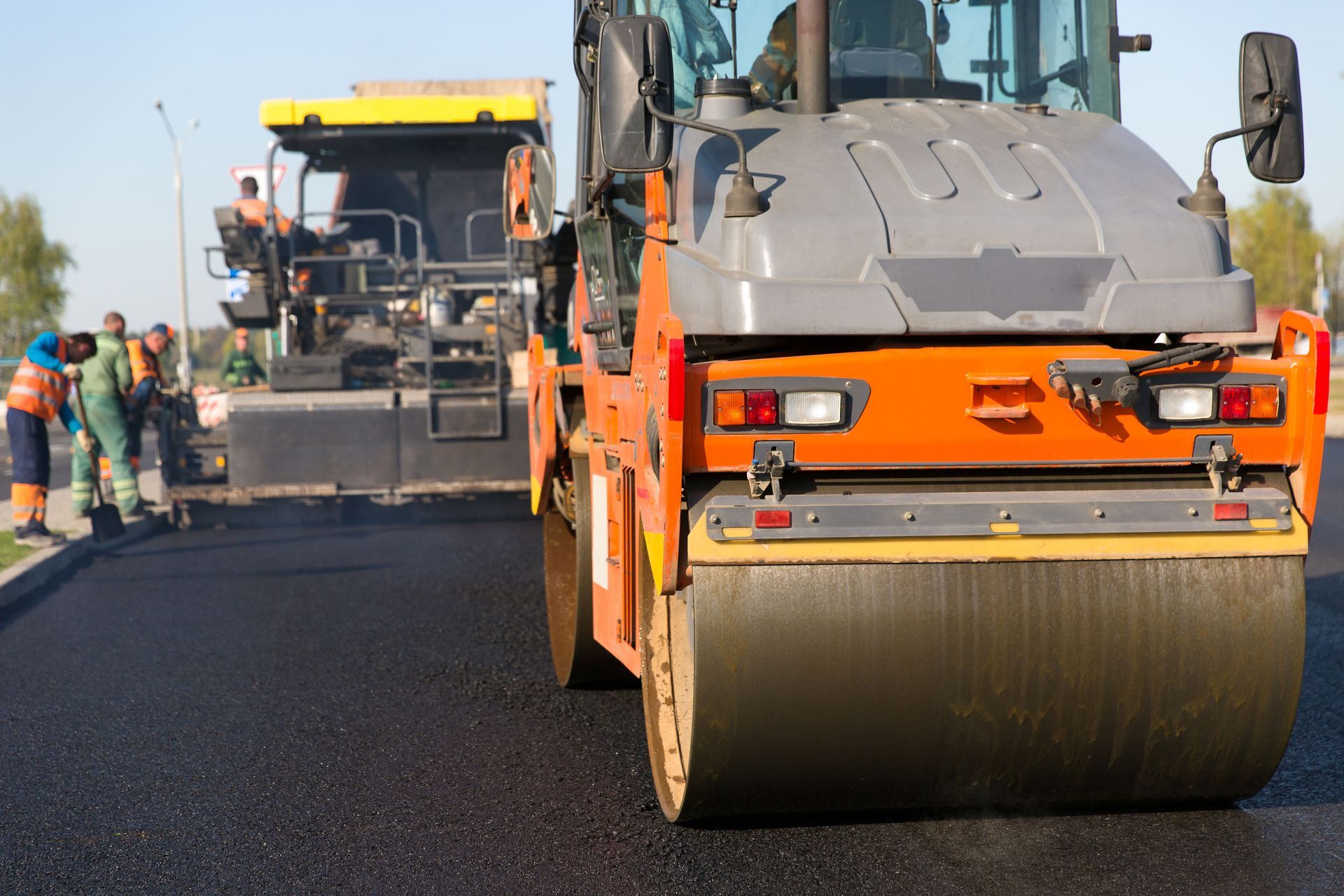
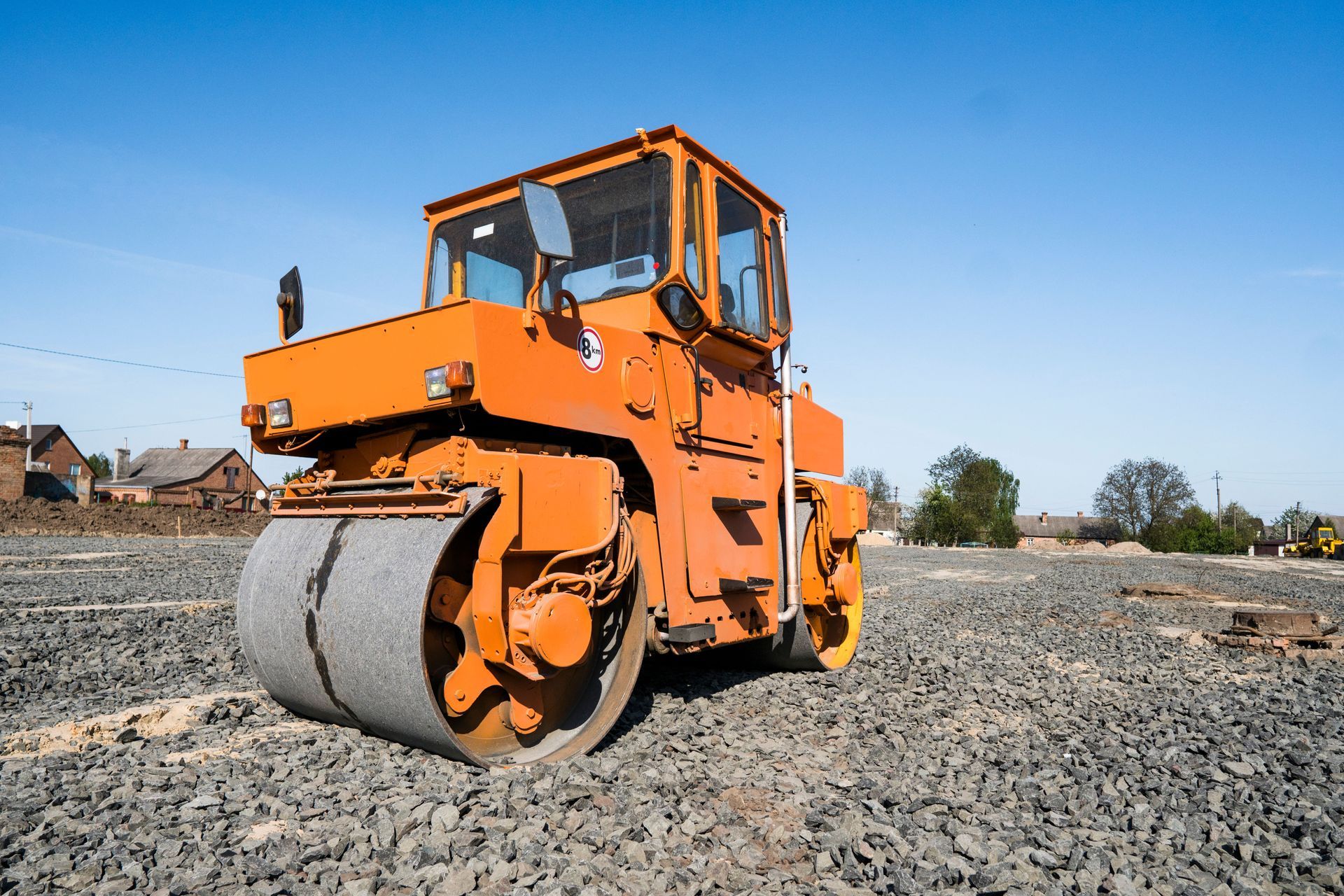
Even with the correct asphalt depth, poor compaction can ruin a commercial paving project. Compaction strengthens the pavement by increasing density and eliminating air pockets that lead to structural weaknesses. Commercial and municipal jobs require industrial-grade rollers, precise temperature management, and adherence to strict compaction standards.


A skilled asphalt paving company will compact each lift—base, binder, and surface—according to accepted engineering specifications. Proper compaction helps the pavement resist heavy loads, reduces deformation, and extends the pavement's lifespan. In high-traffic areas such as shopping centers, airports, or city streets, compaction quality can determine whether pavement lasts for decades or begins deteriorating within a few years.


Finishing practices also matter. Clean edges, smooth transitions, striping preparation, and installation timing all influence project success. Contractors with significant commercial experience understand the importance of these final steps.


Evaluating Long-Term Value in Asphalt Depth Decisions

Commercial, industrial, and municipal paving requires a long-term mindset. While thinner asphalt may reduce initial costs, it nearly always results in increased maintenance, resurfacing, and liability concerns later. When pavement deteriorates prematurely, operations slow down, tenants become frustrated, and safety risks increase.


A knowledgeable asphalt paving company explains the cost-benefit relationship between proper asphalt depth and long-term pavement performance. Thicker asphalt helps extend service life, reduce structural failures, and maintain a professional appearance for businesses and public facilities. Municipalities also benefit from reduced repair frequency and lower taxpayer costs over time. Investing in correct asphalt depth today helps prevent operational disruptions tomorrow.


Asphalt depth is one of the most important determinants of long-lasting commercial, industrial, and municipal pavement. The contractor you choose should demonstrate expertise in engineering, materials, sub-base design, and load requirements. By understanding these factors and evaluating contractors carefully, decision-makers can select an asphalt paving company that delivers quality work designed to withstand the demands of heavy use and complex environments.


If your organization is ready to partner with a paving team that prioritizes durability, performance, and long-term value, we invite you to contact us at Cunningham Paving Co. Let's build pavement solutions that support your operations for years to come. Reach out to us today!

asphalt companies
January 14, 2026
Ensure durable, well-maintained driveways by working with reputable asphalt companies for proper installation, protective care, and timely repairs. Learn more!
asphalt paving company
January 12, 2026
Discover the top four signs it’s time to call an asphalt paving company to protect your pavement, prevent costly repairs, and maintain a safe, smooth surface.
paving contractors
December 26, 2025
Municipalities face a constant challenge: maintaining streets, parking lots, sidewalks, and public spaces while balancing budgets, safety concerns, and long-term infrastructure goals. Roads are more than simple asphalt or concrete surfaces — they are vital arteries for commerce, emergency services, and everyday life. Choosing the right paving contractors is essential for ensuring these surfaces are durable, safe, and cost-effective. Licensed and bonded professionals provide expertise, accountability, and protection that can prevent costly mistakes and delays. This article explores why municipalities should prioritize licensed and bonded paving contractors for all public paving projects. Ensure Compliance With Local and State Regulations Municipal paving projects must adhere to complex legal frameworks. Cities and towns operate under state laws, local ordinances, and national construction standards, all of which affect how road and parking lot projects are planned and executed. Licensed paving contractors demonstrate that they meet these requirements and possess the knowledge to handle projects legally and responsibly. Without proper licensing, a municipality risks project delays, fines, or even lawsuits if work is found to violate regulations. Licensed contractors are trained in industry best practices, including environmental compliance, ADA accessibility requirements, and safety protocols. For example, sidewalks and crosswalks must meet strict design and slope standards to ensure pedestrian safety. Bonding provides an additional layer of security. A surety bond protects the municipality if the contractor fails to complete the work, doesn’t meet contract specifications, or leaves a project unfinished. This financial safety net ensures that taxpayer dollars are protected, which is particularly important for large-scale projects funded by public budgets. Protect Public Funds Through Financial Accountability Municipal budgets are often tightly constrained. Public projects, such as repaving roads or renovating municipal parking lots, can easily exceed millions of dollars. Mismanagement of these funds can lead to significant financial waste. Hiring licensed and bonded paving contractors helps safeguard public money while ensuring accountability throughout the project lifecycle. Bonded contractors offer a financial guarantee. If a contractor defaults on a project, the bond can cover the costs necessary to finish the work, protecting municipalities from unforeseen expenses. This is particularly critical for projects that involve multiple streets or large municipal facilities, where a small misstep can result in major financial consequences. Licensed contractors also provide accurate cost estimates, helping municipalities plan budgets more effectively. They have experience with project timelines, materials, and labor, which allows them to anticipate challenges that could otherwise inflate costs. Transparent bidding practices and professional oversight minimize the risk of hidden fees or underbidding that can compromise quality. Additionally, municipalities often face public scrutiny over how funds are spent. Hiring licensed and bonded contractors signals a commitment to fiscal responsibility and transparency, assuring residents that public money is being used wisely and efficiently. Improve Quality and Longevity of Paving Projects The quality of municipal paving work directly affects safety, durability, and long-term maintenance costs. Roads that are poorly constructed can develop potholes, cracks, and drainage problems within just a few years. These issues not only create hazards for drivers and pedestrians but also require expensive repairs. Licensed paving contractors bring expertise that ensures projects are built to last. They use proper construction techniques, high-quality materials, and proven industry practices. This results in surfaces that withstand traffic loads, harsh weather conditions, and long-term wear. For instance, a properly installed asphalt road with correct grading and compaction can last 20 years or more with minimal maintenance, in our experience. Durable paving reduces the frequency and cost of repairs. This is a critical consideration for municipalities, where road maintenance budgets are limited, and repairs can disrupt traffic and local businesses. According to the National Asphalt Pavement Association, the U.S. has over two million miles of paved roads, with around 94% of them being surfaced with asphalt. Municipalities that invest in experienced, licensed contractors maximize the longevity of these surfaces, ensuring that taxpayer dollars are spent on durable infrastructure rather than repeated fixes. Enhance Safety for Drivers and Pedestrians Road safety is a top priority for municipalities. Poorly constructed or deteriorated roads create hazards such as potholes, uneven surfaces, and standing water. These issues not only damage vehicles but also increase the risk of accidents and injuries. Sidewalks, crosswalks, and parking areas must also meet specific safety standards to prevent trips, falls, and accessibility issues. Licensed and bonded paving contractors bring the knowledge and experience to minimize these risks. They understand proper grading, drainage, and material selection, ensuring surfaces meet safety standards for all users. For example, they know how to design curbs and slopes that prevent flooding and ensure smooth pedestrian access. Using professional contractors also reduces liability for municipalities. A city that hires unlicensed workers may face lawsuits if injuries occur due to substandard workmanship. Licensed contractors follow industry guidelines and building codes, protecting both residents and municipal officials from legal and financial consequences. In addition, attention to safety extends beyond initial construction. Experienced paving contractors often provide recommendations for maintenance schedules, repair techniques, and resurfacing strategies, keeping roads safe and functional for decades. Streamline Project Management and Reduce Delays Paving projects, especially those in urban areas, involve complex logistics, coordination, and scheduling. Unlicensed or inexperienced contractors may struggle to manage crews, equipment, and materials, causing delays and disruptions. Municipalities that rely on unqualified providers risk prolonged road closures, increased costs, and frustrated residents. Licensed and bonded paving companies offer professionalism and project management expertise. They understand how to coordinate with city departments, secure necessary permits, and plan phased construction to minimize disruptions. Insurance coverage is another key advantage. Licensed contractors typically carry liability insurance that protects both workers and the municipality in the event of accidents or property damage. This coverage mitigates risks associated with construction delays or on-site incidents. By hiring qualified professionals, municipalities can ensure that projects stay on schedule and within budget. Efficient project management not only reduces costs but also maintains public confidence in the city’s ability to manage infrastructure effectively. Promote Sustainability and Environmental Responsibility Modern municipalities increasingly prioritize environmentally responsible infrastructure. Proper paving techniques, material selection, and drainage design play a significant role in reducing environmental impact. Licensed paving contractors are trained to use sustainable practices that protect natural resources while still delivering durable surfaces. For example, contractors may recommend asphalt mixes that incorporate recycled materials, reducing the demand for virgin resources. They also implement designs that improve stormwater management, minimizing runoff pollution and protecting local waterways. By hiring licensed contractors who follow eco-friendly practices, municipalities support long-term sustainability goals while maintaining public infrastructure. Furthermore, environmentally conscious paving can lower long-term maintenance costs. Properly designed surfaces reduce erosion, water damage, and surface wear, decreasing the need for frequent repairs and minimizing disruption to the community. Municipalities face complex challenges when managing roads, parking lots, and public spaces. Choosing licensed and bonded paving companies is a smart investment that protects public funds, ensures compliance with regulations, improves quality, enhances safety, and supports environmental responsibility. From legal compliance and financial safeguards to durability, safety, and efficiency, licensed contractors offer benefits that go beyond simple pavement installation. Municipalities that prioritize experienced and bonded professionals gain access to technical expertise, project management skills, and accountability measures that unlicensed providers cannot match. Investing in licensed and bonded paving contractors is not just a prudent financial decision — it is a critical step toward creating safe, durable, and well-maintained public infrastructure. By doing so, municipalities can provide reliable roads and public spaces for residents, enhance community safety, and protect taxpayer dollars for years to come. Contact Cunningham Paving Co today to schedule a consultation and discover how we can help your municipality maintain roads and public spaces that serve your community for years to come.
parking lot paving
December 17, 2025
Renovating your parking lot paving can be disruptive to a business when it's not handled properly. Here are some tips for planning without disrupting business.
asphalt companies
December 1, 2025
Learn how smooth roads improve fuel efficiency and how asphalt companies use advanced techniques to create durable, cost-effective surfaces for drivers.
paving companies
October 14, 2025
Wondering how long asphalt pavement lasts from expert paving companies? Check out this guide and call today to learn more!
asphalt paving company
October 13, 2025
Curious about the benefits of asphalt paving? Discover 7 reasons to choose a skilled asphalt paving company like Cunningham Paving Co!
paving contractors
October 7, 2025
Do you want to know what makes a high-quality paving job last longer? Keep reading or contact your local paving contractors today to learn more.
Parking lot paving
September 15, 2025
Looking to learn more about how parking lot paving can improve safety and customer experience at your business? Check this out!
commercial paving contractors
September 12, 2025
Commercial paving contractors boost safety, efficiency, and curb appeal for businesses, schools, and industries. Learn why quality pavement matters.