Concrete or Asphalt? What to Ask Paving Contractors

February 13, 2026

Your parking lot plays a significant role in how customers perceive your business. It is often the first point of contact visitors have with your property, and its condition can impact safety, traffic flow, accessibility, and overall customer satisfaction. When a parking lot begins to deteriorate, the signs are not always dramatic at first. Subtle changes—like small cracks or fading lines—can quickly grow into major issues that require costly repairs. According to AsphaltPro Magazine, if a parking lot has 25 or fewer spaces, at least one of them must be an ADA-compliant accessible space. This fact highlights the importance not only of maintaining your surface but also of ensuring proper markings and compliance. Recognizing early warning signs gives you the opportunity to call paving contractors before the damage becomes severe.


Cracks Appearing Along the Surface

Cracks are one of the most common and visible signs that a parking lot needs attention. While small cracks may seem minor, they allow water to seep beneath the surface. When moisture penetrates the pavement layers, it expands and contracts with changing temperatures, leading to further deterioration. Eventually, these cracks widen and spread, causing significant structural damage.


Cracks generally form because of age, exposure to harsh weather, heavy vehicle traffic, or poor drainage conditions. When left untreated, they shorten the lifespan of your parking lot. Calling paving contractors at the first sign of cracking can prevent larger issues like potholes or base failures from developing. Early crack sealing is a cost-effective way to extend the life of your asphalt.


Potholes Developing in High-Traffic Areas

Potholes often start as minor cracks that were never repaired. As water infiltrates the pavement and weakens the base, the surface collapses and forms a depression. Potholes pose safety hazards for drivers and pedestrians, potentially causing vehicle damage or trip-and-fall accidents. They also worsen quickly when exposed to ongoing traffic, especially in commercial lots with heavy delivery trucks or frequent visitors.


Once a pothole forms, it will not repair itself. Professional maintenance is necessary to stabilize the base, remove damaged sections, and restore a smooth, level surface. Paving contractors can patch potholes or recommend resurfacing if the damage is widespread. Addressing potholes promptly protects your property and creates a safer, more inviting environment.


Drainage Problems After Rainfall

If water pools in your parking lot every time it rains, drainage issues may be compromising your pavement. Standing water accelerates wear and weakens asphalt by soaking into small cracks and destabilizing the underlying foundation. Poor drainage often results from improper grading, failing catch basins, or blocked drainage systems.


Pooling water doesn't just damage the asphalt—it can cause slippery conditions for pedestrians and create hydroplaning risks for vehicles. When drainage problems appear, it’s important to have your lot evaluated by paving contractors who can identify whether regrading, drain cleaning, or structural repair is needed. Effective water management is essential for protecting your pavement long-term.


Faded or Illegible Line Striping

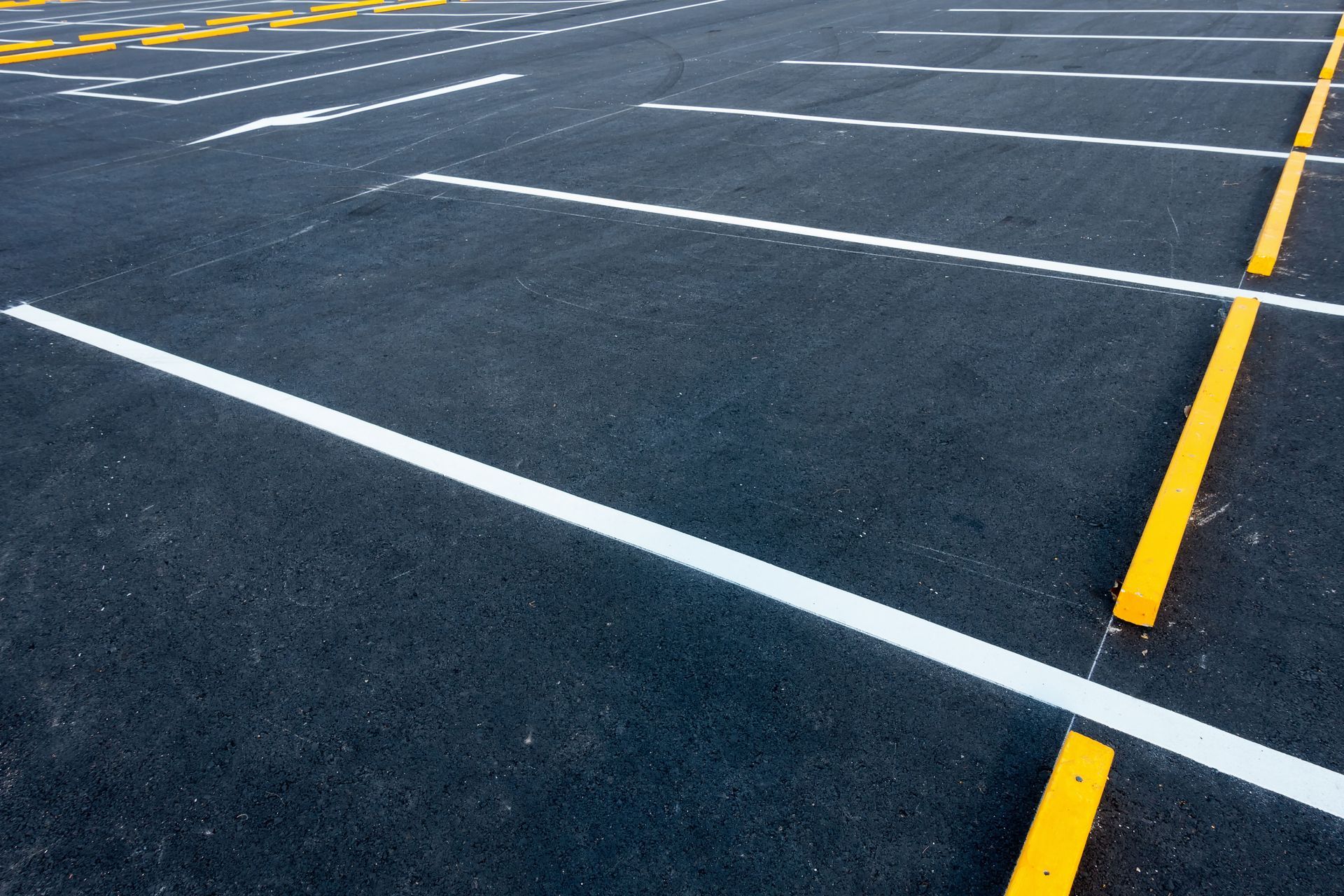
Clear markings are essential for directing traffic, improving safety, and ensuring your lot complies with accessibility laws. Over time, exposure to sunlight, weather, and vehicle traffic causes striping to fade. When parking spaces, arrows, and pedestrian walkways are no longer easy to see, confusion and accidents become more likely.


Maintaining ADA compliance is also critical. Faded or missing accessibility markings can lead to violations and create barriers for individuals with disabilities. Repainting lines and symbols restores organization and ensures your lot meets all regulatory requirements.


Surface Erosion or Loose Gravel

Another sign that maintenance is overdue is surface erosion or the presence of loose gravel. Asphalt can deteriorate when the top layer begins breaking down, exposing small rocks and creating uneven surfaces. This erosion is often caused by heavy traffic, long-term UV exposure, or insufficient sealcoating.


Loose gravel poses slip hazards and can damage vehicles by becoming lodged in tire treads or thrown into wheel wells. Eroded surfaces also weaken the structural foundation of your parking lot, leading to larger failures if not addressed. Paving contractors can evaluate the level of damage and recommend either patching, resurfacing, or sealcoating to prevent further erosion.


Raveling and Loss of Asphalt Binder

Raveling is a condition where the asphalt binder deteriorates, causing small aggregate stones to break away from the surface. When a parking lot begins raveling, the pavement takes on a rough texture and loses its cohesive strength. Over time, the affected areas expand and deepen, making the surface harder to navigate and more vulnerable to moisture penetration.


This type of deterioration often indicates that the asphalt has aged past the point of basic repairs. Professional maintenance may involve milling and resurfacing the surface or, in severe cases, complete replacement. Calling paving contractors early can help determine whether preventive steps—such as sealcoating—can slow or stop the progression.


Spreading Oil Stains or Chemical Damage

Oil drips, chemical spills, and de-icing salts can break down asphalt binders and cause softening or deterioration. When oil stains remain untreated, the affected areas can weaken and crumble. Commercial parking lots exposed to frequent vehicle turnover, delivery trucks, or loading activity experience more chemical exposure than residential driveways.


If you notice oil spots growing or the pavement darkening and softening in specific areas, a maintenance intervention is necessary. Paving contractors can remove the damaged material, apply sealants designed for chemical resistance, and help protect your pavement from future breakdown. Addressing chemical damage promptly is key to preventing major structural issues.


Uneven Surfaces or Sinking Pavement

When parts of your parking lot begin sinking or forming dips, it usually indicates problems with the underlying base or subgrade. Soil movement, water infiltration, or improper installation can cause sections of pavement to settle unevenly. These uneven spots can be dangerous for pedestrians, especially those using mobility aids or pushing strollers.


Sinking pavement can also disrupt drainage patterns, creating new areas where water pools and further damages the asphalt. Paving contractors can inspect the affected areas, identify the root cause, and implement structural repairs to restore level grading. Ignoring these warning signs often leads to widespread surface failure that is far more expensive to fix.


Excessive Wear in High-Traffic Zones

Areas near entrances, exits, loading docks, and main walkways tend to deteriorate faster than the rest of the lot. Heavy vehicles, frequent turning movements, and constant foot traffic contribute to faster wear. If these zones begin showing rutting, cracking, or smoothing from tire friction, the pavement may need reinforcement.


High-traffic zones often benefit from targeted repairs or resurfacing to strengthen the surface. Paving contractors can apply asphalt overlays or rebuild weakened sections to improve durability. Managing these problem spots early prevents the damage from spreading to the rest of the lot.


Loss of Curb Appeal and Professional Appearance

Your parking lot reflects your business’s brand and professionalism. When it looks neglected—full of cracks, stains, faded markings, or unpatched potholes—it can give visitors the impression that the property is poorly maintained. This can discourage customers from returning and can negatively impact the reputation of tenant businesses in multi-unit complexes.


Regular maintenance improves aesthetics and property value. Sealcoating, striping, and repairing worn areas dramatically improve the appearance of your parking lot. Calling paving contractors for routine assessments helps you stay ahead of deterioration and keeps your property looking sharp and welcoming.


Your parking lot is a major investment, and keeping it in excellent condition protects your business, your customers, and your bottom line. When you start noticing signs like cracks, potholes, drainage issues, or fading striping, taking prompt action is the smartest way to avoid more expensive repairs down the line. Proactive maintenance not only extends the life of your pavement but also ensures compliance, improves safety, enhances appearance, and supports smooth daily operations.


Cunningham Paving Co provides professional paving contractors who can evaluate your lot, identify the best maintenance solutions, and restore your pavement to a safe and attractive condition. If your parking lot is showing any of these warning signs, now is the perfect time to schedule service. Contact Cunningham Paving Co today to protect your investment and keep your property looking its best.

asphalt paving company
February 9, 2026
Let's take a look at how different weather conditions and seasonal shifts impact asphalt parking lots. Call our asphalt paving company today!
asphalt companies
January 14, 2026
Ensure durable, well-maintained driveways by working with reputable asphalt companies for proper installation, protective care, and timely repairs. Learn more!
asphalt paving company
January 12, 2026
Discover the top four signs it’s time to call an asphalt paving company to protect your pavement, prevent costly repairs, and maintain a safe, smooth surface.
paving contractors
December 26, 2025
Municipalities face a constant challenge: maintaining streets, parking lots, sidewalks, and public spaces while balancing budgets, safety concerns, and long-term infrastructure goals. Roads are more than simple asphalt or concrete surfaces — they are vital arteries for commerce, emergency services, and everyday life. Choosing the right paving contractors is essential for ensuring these surfaces are durable, safe, and cost-effective. Licensed and bonded professionals provide expertise, accountability, and protection that can prevent costly mistakes and delays. This article explores why municipalities should prioritize licensed and bonded paving contractors for all public paving projects. Ensure Compliance With Local and State Regulations Municipal paving projects must adhere to complex legal frameworks. Cities and towns operate under state laws, local ordinances, and national construction standards, all of which affect how road and parking lot projects are planned and executed. Licensed paving contractors demonstrate that they meet these requirements and possess the knowledge to handle projects legally and responsibly. Without proper licensing, a municipality risks project delays, fines, or even lawsuits if work is found to violate regulations. Licensed contractors are trained in industry best practices, including environmental compliance, ADA accessibility requirements, and safety protocols. For example, sidewalks and crosswalks must meet strict design and slope standards to ensure pedestrian safety. Bonding provides an additional layer of security. A surety bond protects the municipality if the contractor fails to complete the work, doesn’t meet contract specifications, or leaves a project unfinished. This financial safety net ensures that taxpayer dollars are protected, which is particularly important for large-scale projects funded by public budgets. Protect Public Funds Through Financial Accountability Municipal budgets are often tightly constrained. Public projects, such as repaving roads or renovating municipal parking lots, can easily exceed millions of dollars. Mismanagement of these funds can lead to significant financial waste. Hiring licensed and bonded paving contractors helps safeguard public money while ensuring accountability throughout the project lifecycle. Bonded contractors offer a financial guarantee. If a contractor defaults on a project, the bond can cover the costs necessary to finish the work, protecting municipalities from unforeseen expenses. This is particularly critical for projects that involve multiple streets or large municipal facilities, where a small misstep can result in major financial consequences. Licensed contractors also provide accurate cost estimates, helping municipalities plan budgets more effectively. They have experience with project timelines, materials, and labor, which allows them to anticipate challenges that could otherwise inflate costs. Transparent bidding practices and professional oversight minimize the risk of hidden fees or underbidding that can compromise quality. Additionally, municipalities often face public scrutiny over how funds are spent. Hiring licensed and bonded contractors signals a commitment to fiscal responsibility and transparency, assuring residents that public money is being used wisely and efficiently. Improve Quality and Longevity of Paving Projects The quality of municipal paving work directly affects safety, durability, and long-term maintenance costs. Roads that are poorly constructed can develop potholes, cracks, and drainage problems within just a few years. These issues not only create hazards for drivers and pedestrians but also require expensive repairs. Licensed paving contractors bring expertise that ensures projects are built to last. They use proper construction techniques, high-quality materials, and proven industry practices. This results in surfaces that withstand traffic loads, harsh weather conditions, and long-term wear. For instance, a properly installed asphalt road with correct grading and compaction can last 20 years or more with minimal maintenance, in our experience. Durable paving reduces the frequency and cost of repairs. This is a critical consideration for municipalities, where road maintenance budgets are limited, and repairs can disrupt traffic and local businesses. According to the National Asphalt Pavement Association, the U.S. has over two million miles of paved roads, with around 94% of them being surfaced with asphalt. Municipalities that invest in experienced, licensed contractors maximize the longevity of these surfaces, ensuring that taxpayer dollars are spent on durable infrastructure rather than repeated fixes. Enhance Safety for Drivers and Pedestrians Road safety is a top priority for municipalities. Poorly constructed or deteriorated roads create hazards such as potholes, uneven surfaces, and standing water. These issues not only damage vehicles but also increase the risk of accidents and injuries. Sidewalks, crosswalks, and parking areas must also meet specific safety standards to prevent trips, falls, and accessibility issues. Licensed and bonded paving contractors bring the knowledge and experience to minimize these risks. They understand proper grading, drainage, and material selection, ensuring surfaces meet safety standards for all users. For example, they know how to design curbs and slopes that prevent flooding and ensure smooth pedestrian access. Using professional contractors also reduces liability for municipalities. A city that hires unlicensed workers may face lawsuits if injuries occur due to substandard workmanship. Licensed contractors follow industry guidelines and building codes, protecting both residents and municipal officials from legal and financial consequences. In addition, attention to safety extends beyond initial construction. Experienced paving contractors often provide recommendations for maintenance schedules, repair techniques, and resurfacing strategies, keeping roads safe and functional for decades. Streamline Project Management and Reduce Delays Paving projects, especially those in urban areas, involve complex logistics, coordination, and scheduling. Unlicensed or inexperienced contractors may struggle to manage crews, equipment, and materials, causing delays and disruptions. Municipalities that rely on unqualified providers risk prolonged road closures, increased costs, and frustrated residents. Licensed and bonded paving companies offer professionalism and project management expertise. They understand how to coordinate with city departments, secure necessary permits, and plan phased construction to minimize disruptions. Insurance coverage is another key advantage. Licensed contractors typically carry liability insurance that protects both workers and the municipality in the event of accidents or property damage. This coverage mitigates risks associated with construction delays or on-site incidents. By hiring qualified professionals, municipalities can ensure that projects stay on schedule and within budget. Efficient project management not only reduces costs but also maintains public confidence in the city’s ability to manage infrastructure effectively. Promote Sustainability and Environmental Responsibility Modern municipalities increasingly prioritize environmentally responsible infrastructure. Proper paving techniques, material selection, and drainage design play a significant role in reducing environmental impact. Licensed paving contractors are trained to use sustainable practices that protect natural resources while still delivering durable surfaces. For example, contractors may recommend asphalt mixes that incorporate recycled materials, reducing the demand for virgin resources. They also implement designs that improve stormwater management, minimizing runoff pollution and protecting local waterways. By hiring licensed contractors who follow eco-friendly practices, municipalities support long-term sustainability goals while maintaining public infrastructure. Furthermore, environmentally conscious paving can lower long-term maintenance costs. Properly designed surfaces reduce erosion, water damage, and surface wear, decreasing the need for frequent repairs and minimizing disruption to the community. Municipalities face complex challenges when managing roads, parking lots, and public spaces. Choosing licensed and bonded paving companies is a smart investment that protects public funds, ensures compliance with regulations, improves quality, enhances safety, and supports environmental responsibility. From legal compliance and financial safeguards to durability, safety, and efficiency, licensed contractors offer benefits that go beyond simple pavement installation. Municipalities that prioritize experienced and bonded professionals gain access to technical expertise, project management skills, and accountability measures that unlicensed providers cannot match. Investing in licensed and bonded paving contractors is not just a prudent financial decision — it is a critical step toward creating safe, durable, and well-maintained public infrastructure. By doing so, municipalities can provide reliable roads and public spaces for residents, enhance community safety, and protect taxpayer dollars for years to come. Contact Cunningham Paving Co today to schedule a consultation and discover how we can help your municipality maintain roads and public spaces that serve your community for years to come.
parking lot paving
December 17, 2025
Renovating your parking lot paving can be disruptive to a business when it's not handled properly. Here are some tips for planning without disrupting business.
asphalt paving company
December 12, 2025
Are you wondering how to choose the right asphalt paving company? Here's what you need to know about asphalt depth to make a great decision.
asphalt companies
December 1, 2025
Learn how smooth roads improve fuel efficiency and how asphalt companies use advanced techniques to create durable, cost-effective surfaces for drivers.
paving companies
October 14, 2025
Wondering how long asphalt pavement lasts from expert paving companies? Check out this guide and call today to learn more!
asphalt paving company
October 13, 2025
Curious about the benefits of asphalt paving? Discover 7 reasons to choose a skilled asphalt paving company like Cunningham Paving Co!
paving contractors
October 7, 2025
Do you want to know what makes a high-quality paving job last longer? Keep reading or contact your local paving contractors today to learn more.