How Often Should You Schedule Parking Lot Crack Sealing

March 13, 2026

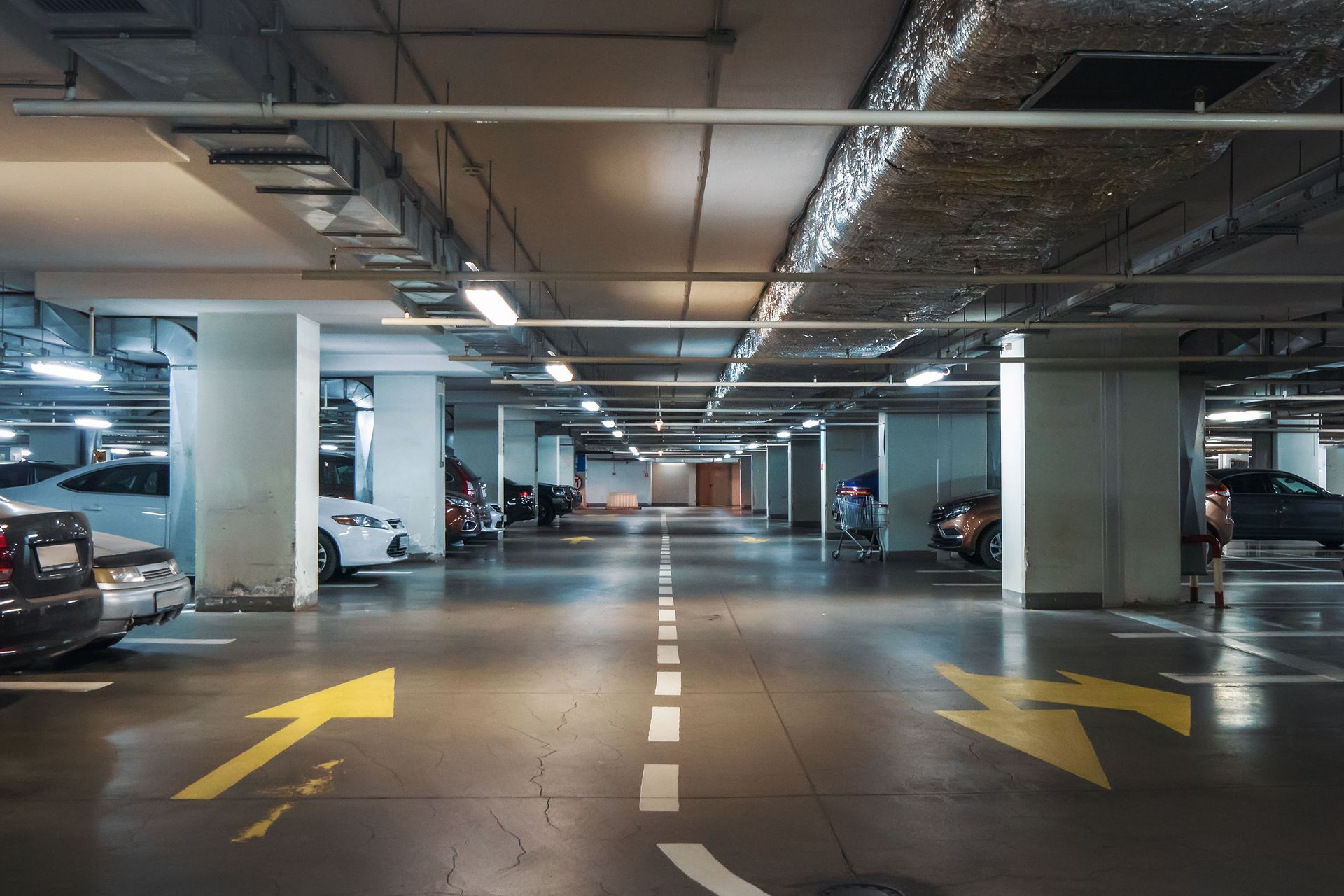
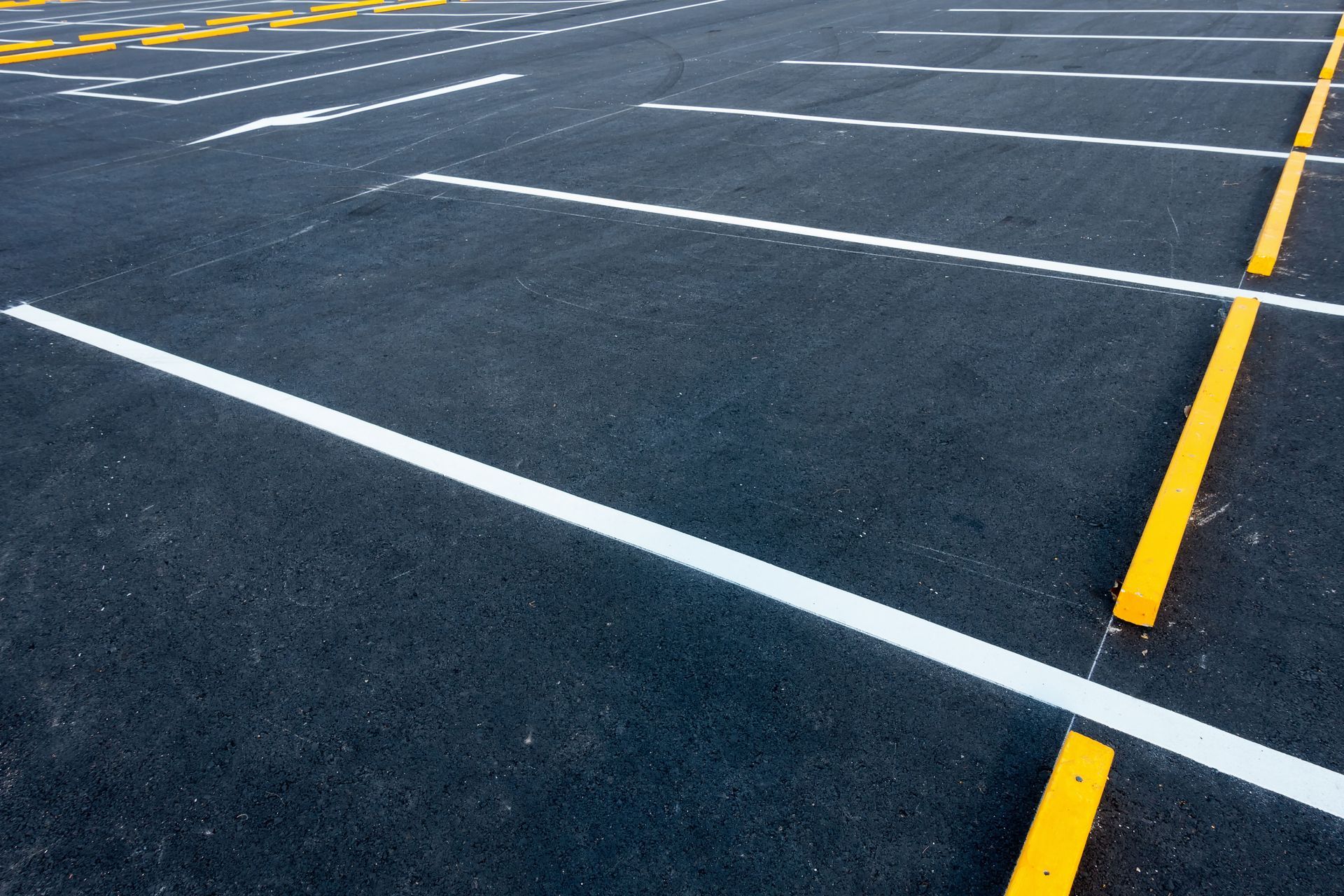
Parking lots are a ubiquitous aspect of the American landscape, with as many as two billion parking spots available in the United States, according to CNN. Proper parking lot maintenance becomes crucial not only for aesthetic appeal but also for safety and long-term economic feasibility. Given the importance of this issue, it's essential to understand how often we should undertake maintenance tasks like crack sealing.


Understanding Parking Lot Crack Sealing

Crack sealing is a preventative parking lot maintenance process aimed at keeping water and debris out of cracks in pavement surfaces. By filling cracks with an appropriate sealant, we can prevent them from expanding and further deteriorating. It acts as an effective measure to prolong the life of asphalt surfaces by mitigating the impact of environmental and physical stressors. Choosing the right type of sealant is crucial, as it affects the longevity and effectiveness of the treatment. The process not only maintains the functional integrity of parking lots but also boosts their visual appeal.


Crack sealing plays a vital role in pavement preservation by preventing water infiltration, which can lead to potholes and structural failure. Regular crack sealing is a cost-effective method that prolongs the life of pavement by addressing minor issues before they require major repairs. By sealing cracks early, one can avoid the high cost of complete resurfacing or reconstruction. This approach is crucial given the massive number of parking spaces, enough to pave over the state of Connecticut. Incorporating crack sealing into a regular maintenance schedule mitigates damage and escalates the cost-benefit ratio over time.


Various materials are used in crack sealing, each suited for different types of cracks and environmental conditions. Asphalt emulsion sealants are widely used due to their cost-effectiveness and ease of application. Rubberized asphalt sealants offer exceptional flexibility and durability, making them ideal for areas prone to temperature fluctuations. Other materials include specialized fillers such as silicone and polyurethane, which are effective for specific situations.


The crack sealing process begins with a thorough cleaning of the crack to remove any debris or moisture. After cleaning, a sealant is applied, usually heated to promote proper adherence, and fills the crack. Once applied, the sealant needs time to cure, forming a protective barrier against the elements. A final inspection confirms the seal is complete and without gaps. Following proper procedures will improve the efficacy of crack sealing.


Identifying Factors That Influence Frequency

The frequency of crack sealing largely depends on local climate and weather conditions. In regions experiencing harsh winters, cracks may form and expand rapidly due to freeze-thaw cycles, while high temperatures can also cause pavement expansion and cracking. Regular assessments are important, particularly in areas with extreme weather, to determine when crack sealing is necessary. Parking lots subjected to heavy traffic loads often require more frequent crack sealing due to ongoing stress. The type and amount of traffic, including vehicle weight, directly affect how quickly cracks develop. High-traffic areas, especially those used by trucks and larger vehicles, typically experience faster pavement deterioration.


The initial quality of pavement construction also plays a significant role in determining how often crack sealing is needed. Poor construction practices can leave the surface more susceptible to rapid deterioration and frequent cracking. Higher quality materials and techniques usually result in a longer-lasting pavement requiring less frequent maintenance. Adequately constructed pavements serve as a robust first line of defense against environmental and physical stressors. Investing in quality construction can reduce long-term maintenance costs, making it easier to manage larger-scale properties.


Keeping a detailed record of previous parking lot maintenance actions helps in determining future crack sealing schedules. Consistent documentation can reveal patterns of deterioration, helping managers implement timely interventions. Properties that have been well-maintained historically may require fewer interventions, provided they've been effectively managed. Conversely, neglected lots may necessitate more frequent attention to reach an optimal state.


Choosing the right sealing material affects the frequency of crack sealing. Some materials offer greater durability and longevity, thus reducing the need for frequent applications. Material selection can be tailored based on specific environmental and usage conditions, further optimizing maintenance schedules. By investing in high-quality materials at the outset, property managers can reduce long-term maintenance costs.


Recognizing the Benefits of Regular Maintenance

Regular crack sealing significantly extends the lifespan of parking lot pavement. By preventing water infiltration, crack sealing stops the development of major structural issues. Compared to costly resurfacing, frequent crack sealing is a proactive approach that maintains the pavement in good condition. This focus on timely maintenance becomes crucial when dealing with an infrastructure large enough to cover a state like Connecticut. Long-lasting pavements translate to economic savings and less disruption for users.


Regular crack sealing is cost-effective compared to waiting for significant issues that require major repairs. The investment in routine maintenance pays off by avoiding the high costs associated with comprehensive resurfacing or reconstruction. Additionally, timely crack sealing can enhance property value by maintaining aesthetic appeal and functionality. The cumulative savings from avoiding large-scale repairs can be redirected towards other improvements.


One of the primary benefits of regular crack sealing is improved safety for users. Cracks can lead to tripping hazards for pedestrians and damage to vehicles. Sealing these fissures promptly keeps these public spaces safe and accessible to all. By enhancing safety, property managers can reduce liability and promote a positive image. It contributes to user satisfaction, fostering loyalty among those who frequent the facility.


Regular parking lot maintenance will provide a neat and well-kept appearance, enhancing aesthetic appeal and making a positive impression on visitors. Seamlessly sealed surfaces create an appearance of professionalism and conscientious maintenance. Aesthetics can influence perceptions of a business, impacting customer decisions and enhancing tenant satisfaction. Well-sealed parking lots are a testament to the care put into maintaining facilities, promoting the overall brand image.


Establishing a Recommended Service Schedule

Industry best practices suggest conducting crack sealing once every two to three years, depending on environmental and usage conditions. Evaluating local climate and pavement usage helps in implementing these guidelines effectively. This interval balances cost with effectiveness, providing a cost-effective exercise in pavement preservation. Best practices offer structured, experience-based recommendations that are widely adopted across the industry.


Flexibility is key to scheduling crack sealing based on real-time observations and assessments. Property managers need to tailor schedules in response to unexpected changes in conditions, such as severe weather events or usage spikes. Observational data, such as frequency of cracking, guides these customized adjustments. Ongoing monitoring and adjustments reflect a dynamic, responsive approach to parking lot maintenance.


Technology plays an increasingly pivotal role in planning and executing maintenance schedules. Software tools provide a comprehensive platform for monitoring environmental factors and tracking previous interventions to optimize scheduling. These tools can automate notifications and streamline communication among maintenance teams, contractors, and property managers. By integrating software solutions, companies can maintain an organized, responsive approach to crack sealing. Utilizing technology adds an analytical advantage, harnessing data for more accurate, cost-efficient maintenance.


Working with pavement specialists is invaluable for determining the appropriate crack sealing schedule. These experts provide insights into industry advancements, material compatibility, and expected lifespans under given conditions. Regular consultation helps address unique challenges and implement best practices effectively. Collaboration with these experts reinforces a systematic approach to maintaining large-scale properties effectively.


There is a strong correlation between scheduling frequency and long-term pavement health, encouraging property managers to adhere to best practices for durable and safe parking lots. Proactive parking lot maintenance strategies supported by informed decisions, technology, and industry best practices extend pavement life while optimizing costs. Commitment to a regular crack sealing schedule is an investment in the future with numerous benefits. For professional paving solutions that improve durability and appearance, contact Cunningham Paving Co to discuss your project and request an estimate today.

paving companies
March 12, 2026
We offer a wide variety of services. Call Cunningham Paving Co today to learn more about one of the best commercial paving companies Cleveland, OH has to offer.
paving contractors
February 13, 2026
Are you deciding between asphalt and concrete? Here are some of the top questions you should ask paving contractors to help you decide.
asphalt paving company
February 9, 2026
Let's take a look at how different weather conditions and seasonal shifts impact asphalt parking lots. Call our asphalt paving company today!
asphalt companies
January 14, 2026
Ensure durable, well-maintained driveways by working with reputable asphalt companies for proper installation, protective care, and timely repairs. Learn more!
asphalt paving company
January 12, 2026
Discover the top four signs it’s time to call an asphalt paving company to protect your pavement, prevent costly repairs, and maintain a safe, smooth surface.
paving contractors
December 26, 2025
Municipalities face a constant challenge: maintaining streets, parking lots, sidewalks, and public spaces while balancing budgets, safety concerns, and long-term infrastructure goals. Roads are more than simple asphalt or concrete surfaces — they are vital arteries for commerce, emergency services, and everyday life. Choosing the right paving contractors is essential for ensuring these surfaces are durable, safe, and cost-effective. Licensed and bonded professionals provide expertise, accountability, and protection that can prevent costly mistakes and delays. This article explores why municipalities should prioritize licensed and bonded paving contractors for all public paving projects. Ensure Compliance With Local and State Regulations Municipal paving projects must adhere to complex legal frameworks. Cities and towns operate under state laws, local ordinances, and national construction standards, all of which affect how road and parking lot projects are planned and executed. Licensed paving contractors demonstrate that they meet these requirements and possess the knowledge to handle projects legally and responsibly. Without proper licensing, a municipality risks project delays, fines, or even lawsuits if work is found to violate regulations. Licensed contractors are trained in industry best practices, including environmental compliance, ADA accessibility requirements, and safety protocols. For example, sidewalks and crosswalks must meet strict design and slope standards to ensure pedestrian safety. Bonding provides an additional layer of security. A surety bond protects the municipality if the contractor fails to complete the work, doesn’t meet contract specifications, or leaves a project unfinished. This financial safety net ensures that taxpayer dollars are protected, which is particularly important for large-scale projects funded by public budgets. Protect Public Funds Through Financial Accountability Municipal budgets are often tightly constrained. Public projects, such as repaving roads or renovating municipal parking lots, can easily exceed millions of dollars. Mismanagement of these funds can lead to significant financial waste. Hiring licensed and bonded paving contractors helps safeguard public money while ensuring accountability throughout the project lifecycle. Bonded contractors offer a financial guarantee. If a contractor defaults on a project, the bond can cover the costs necessary to finish the work, protecting municipalities from unforeseen expenses. This is particularly critical for projects that involve multiple streets or large municipal facilities, where a small misstep can result in major financial consequences. Licensed contractors also provide accurate cost estimates, helping municipalities plan budgets more effectively. They have experience with project timelines, materials, and labor, which allows them to anticipate challenges that could otherwise inflate costs. Transparent bidding practices and professional oversight minimize the risk of hidden fees or underbidding that can compromise quality. Additionally, municipalities often face public scrutiny over how funds are spent. Hiring licensed and bonded contractors signals a commitment to fiscal responsibility and transparency, assuring residents that public money is being used wisely and efficiently. Improve Quality and Longevity of Paving Projects The quality of municipal paving work directly affects safety, durability, and long-term maintenance costs. Roads that are poorly constructed can develop potholes, cracks, and drainage problems within just a few years. These issues not only create hazards for drivers and pedestrians but also require expensive repairs. Licensed paving contractors bring expertise that ensures projects are built to last. They use proper construction techniques, high-quality materials, and proven industry practices. This results in surfaces that withstand traffic loads, harsh weather conditions, and long-term wear. For instance, a properly installed asphalt road with correct grading and compaction can last 20 years or more with minimal maintenance, in our experience. Durable paving reduces the frequency and cost of repairs. This is a critical consideration for municipalities, where road maintenance budgets are limited, and repairs can disrupt traffic and local businesses. According to the National Asphalt Pavement Association, the U.S. has over two million miles of paved roads, with around 94% of them being surfaced with asphalt. Municipalities that invest in experienced, licensed contractors maximize the longevity of these surfaces, ensuring that taxpayer dollars are spent on durable infrastructure rather than repeated fixes. Enhance Safety for Drivers and Pedestrians Road safety is a top priority for municipalities. Poorly constructed or deteriorated roads create hazards such as potholes, uneven surfaces, and standing water. These issues not only damage vehicles but also increase the risk of accidents and injuries. Sidewalks, crosswalks, and parking areas must also meet specific safety standards to prevent trips, falls, and accessibility issues. Licensed and bonded paving contractors bring the knowledge and experience to minimize these risks. They understand proper grading, drainage, and material selection, ensuring surfaces meet safety standards for all users. For example, they know how to design curbs and slopes that prevent flooding and ensure smooth pedestrian access. Using professional contractors also reduces liability for municipalities. A city that hires unlicensed workers may face lawsuits if injuries occur due to substandard workmanship. Licensed contractors follow industry guidelines and building codes, protecting both residents and municipal officials from legal and financial consequences. In addition, attention to safety extends beyond initial construction. Experienced paving contractors often provide recommendations for maintenance schedules, repair techniques, and resurfacing strategies, keeping roads safe and functional for decades. Streamline Project Management and Reduce Delays Paving projects, especially those in urban areas, involve complex logistics, coordination, and scheduling. Unlicensed or inexperienced contractors may struggle to manage crews, equipment, and materials, causing delays and disruptions. Municipalities that rely on unqualified providers risk prolonged road closures, increased costs, and frustrated residents. Licensed and bonded paving companies offer professionalism and project management expertise. They understand how to coordinate with city departments, secure necessary permits, and plan phased construction to minimize disruptions. Insurance coverage is another key advantage. Licensed contractors typically carry liability insurance that protects both workers and the municipality in the event of accidents or property damage. This coverage mitigates risks associated with construction delays or on-site incidents. By hiring qualified professionals, municipalities can ensure that projects stay on schedule and within budget. Efficient project management not only reduces costs but also maintains public confidence in the city’s ability to manage infrastructure effectively. Promote Sustainability and Environmental Responsibility Modern municipalities increasingly prioritize environmentally responsible infrastructure. Proper paving techniques, material selection, and drainage design play a significant role in reducing environmental impact. Licensed paving contractors are trained to use sustainable practices that protect natural resources while still delivering durable surfaces. For example, contractors may recommend asphalt mixes that incorporate recycled materials, reducing the demand for virgin resources. They also implement designs that improve stormwater management, minimizing runoff pollution and protecting local waterways. By hiring licensed contractors who follow eco-friendly practices, municipalities support long-term sustainability goals while maintaining public infrastructure. Furthermore, environmentally conscious paving can lower long-term maintenance costs. Properly designed surfaces reduce erosion, water damage, and surface wear, decreasing the need for frequent repairs and minimizing disruption to the community. Municipalities face complex challenges when managing roads, parking lots, and public spaces. Choosing licensed and bonded paving companies is a smart investment that protects public funds, ensures compliance with regulations, improves quality, enhances safety, and supports environmental responsibility. From legal compliance and financial safeguards to durability, safety, and efficiency, licensed contractors offer benefits that go beyond simple pavement installation. Municipalities that prioritize experienced and bonded professionals gain access to technical expertise, project management skills, and accountability measures that unlicensed providers cannot match. Investing in licensed and bonded paving contractors is not just a prudent financial decision — it is a critical step toward creating safe, durable, and well-maintained public infrastructure. By doing so, municipalities can provide reliable roads and public spaces for residents, enhance community safety, and protect taxpayer dollars for years to come. Contact Cunningham Paving Co today to schedule a consultation and discover how we can help your municipality maintain roads and public spaces that serve your community for years to come.
parking lot paving
December 17, 2025
Renovating your parking lot paving can be disruptive to a business when it's not handled properly. Here are some tips for planning without disrupting business.
asphalt paving company
December 12, 2025
Are you wondering how to choose the right asphalt paving company? Here's what you need to know about asphalt depth to make a great decision.
asphalt companies
December 1, 2025
Learn how smooth roads improve fuel efficiency and how asphalt companies use advanced techniques to create durable, cost-effective surfaces for drivers.
paving companies
October 14, 2025
Wondering how long asphalt pavement lasts from expert paving companies? Check out this guide and call today to learn more!