
How to Prepare Your Parking Lot for Winter: Snow, Ice, and Freeze Protection
Winter conditions can take a serious toll on asphalt surfaces, especially when moisture, freezing temperatures, and heavy traffic combine. Without proper preparation, even a well-installed surface can deteriorate quickly, leading to cracks, potholes, and safety hazards. Taking proactive steps before cold weather sets in helps preserve structural integrity, reduce repair costs, and maintain a safe environment for drivers and pedestrians alike. A strategic approach to parking lot paving maintenance ensures your investment holds up through the harshest seasonal conditions and continues to perform reliably.
Inspect Existing Surface Conditions
The first step in preparing for winter is conducting a thorough inspection of your asphalt surface. Identifying early signs of wear allows you to address vulnerabilities before they worsen under freezing conditions. Look for visible cracks, surface depressions, pooling water, and uneven areas. These issues may seem minor during warmer months, but they can rapidly expand once temperatures drop and weather conditions become more severe.
Moisture is the primary concern when it comes to winter damage. Water that seeps into cracks will freeze and expand, causing the asphalt to separate and break apart from within. According to AsphaltPro Magazine, if an asphalt crack is left untreated, about 75% of those cracks will become potholes within just three years. This emphasizes how essential it is to identify and resolve issues early as part of a comprehensive parking lot paving strategy.
In addition to visible damage, pay attention to subtle warning signs such as fading surfaces or areas that feel brittle. These can indicate that the asphalt is aging and may be more susceptible to winter damage. A detailed inspection gives you a clear understanding of what needs attention before cold weather arrives.
Repair Cracks and Surface Damage
Once problem areas are identified, timely repairs become essential to prevent further deterioration. Crack sealing is one of the most effective ways to stop water from penetrating the asphalt. By filling cracks properly, you create a barrier that helps protect the underlying structure from freeze-related expansion and contraction.
For larger damaged areas, patching may be required. Potholes, crumbling edges, and weakened sections should be addressed before winter sets in. Ignoring these issues can lead to accelerated damage, especially when freeze-thaw cycles repeatedly stress the surface. Prompt repairs help maintain a smooth and stable parking area.
High-quality materials and proper application methods are key to long-lasting results. Professional parking lot paving repairs ensure that the surface can withstand temperature fluctuations and heavy use. Investing in proper repair work now can prevent more extensive and costly fixes later.
It is also important to consider preventative measures during the repair process. Reinforcing areas that experience heavy traffic or frequent stress can help extend the life of your asphalt. By taking a proactive approach, you strengthen your parking lot against the challenges of winter.
Apply Protective Sealcoating
Sealcoating serves as a protective shield for your asphalt, helping to guard against moisture, chemicals, and temperature changes. Applying a sealcoat before winter creates a barrier that reduces the risk of water infiltration and surface damage.
A properly applied sealcoat enhances the durability of parking lot paving while also improving its overall appearance. The smooth, dark finish not only looks clean and professional but also helps the surface retain heat, which can assist in melting snow and ice more efficiently.
Timing is important when applying sealcoating. It should be done under suitable weather conditions to ensure proper curing and adhesion. Once applied, the sealcoat provides a layer of protection that helps your asphalt endure harsh winter conditions.
Beyond protection, sealcoating can also make ongoing maintenance easier. A sealed surface is less likely to accumulate debris and is simpler to clean, which is especially helpful during winter when snow and ice removal are frequent. This added benefit contributes to the long-term effectiveness of your parking lot paving efforts.
Improve Drainage and Water Flow
Effective drainage is a critical component of winter preparation. Standing water poses a major risk to asphalt surfaces because it increases the likelihood of freezing and expansion. Ensuring that water flows away from your parking lot helps minimize potential damage.
Start by evaluating the grading of your parking area. Proper slopes should direct water toward designated drainage points, preventing it from pooling on the surface. Clearing debris from drains and surrounding areas ensures that water can flow freely and efficiently.
In some cases, drainage issues may require more extensive solutions. Adjustments to the grading or the addition of drainage systems can help resolve persistent problems. Addressing these concerns before winter arrives is essential for maintaining the integrity of your parking lot paving.
Good drainage not only protects the asphalt but also improves safety. Reducing standing water decreases the chances of ice formation, which can create hazardous conditions for vehicles and pedestrians. Taking the time to improve water flow is a valuable investment in both durability and safety.
Prepare for Snow and Ice Management
A well-planned approach to snow and ice management is essential for preserving your parking lot during winter. Using the right tools and techniques can help prevent unnecessary damage to the asphalt while keeping the area safe and accessible.
Select snow removal equipment that is suitable for asphalt surfaces. Blades with protective edges help minimize the risk of scraping or gouging the pavement. Operators should also be trained to use equipment carefully to avoid causing damage during removal.
Choosing appropriate deicing materials is equally important. Some products can be harsh on asphalt and contribute to long-term deterioration. Opting for less aggressive solutions helps protect your parking lot paving while still effectively managing ice.
Consistency is key when it comes to snow and ice removal. Regular clearing prevents buildup that can trap moisture against the surface and increase the risk of freeze-related damage. Maintaining a clear and safe parking area benefits both property owners and visitors.
Planning ahead for winter weather events ensures that you are prepared to respond quickly. Having the necessary equipment and materials on hand allows for efficient snow and ice management throughout the season.
Schedule Ongoing Maintenance and Monitoring
Winter preparation does not end once the initial steps are completed. Ongoing maintenance and regular monitoring are essential for addressing new issues that may arise throughout the season. Periodic inspections help you stay ahead of potential problems and maintain the condition of your asphalt.
After major weather events, take the time to check for new cracks, surface damage, or drainage issues. Addressing these concerns promptly can prevent them from worsening and leading to more extensive repairs.
Working with experienced professionals can provide additional support and expertise. They can assess the condition of your parking lot, recommend appropriate solutions, and carry out necessary repairs with precision. Their knowledge helps ensure that your parking lot remains in good condition despite challenging winter conditions.
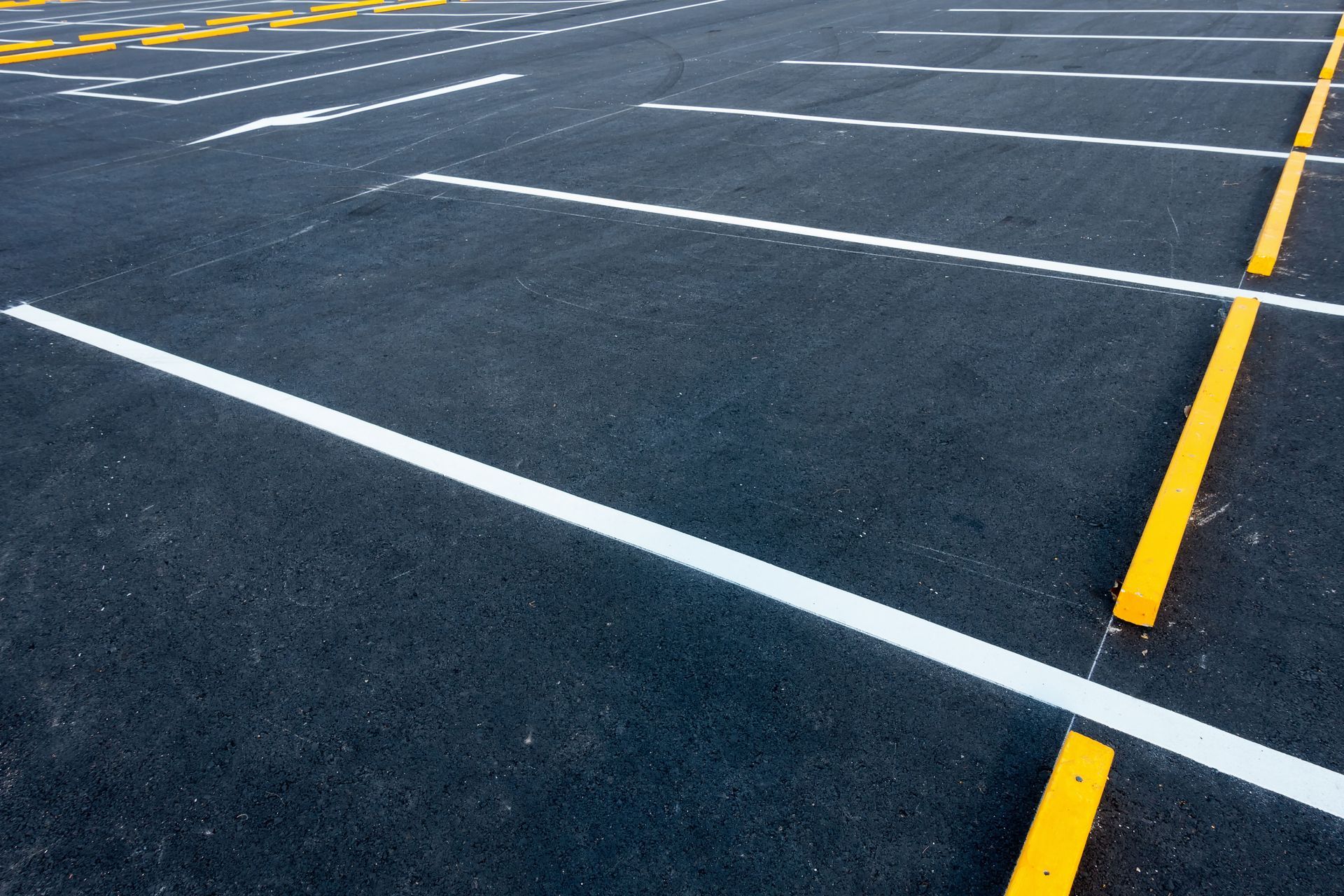
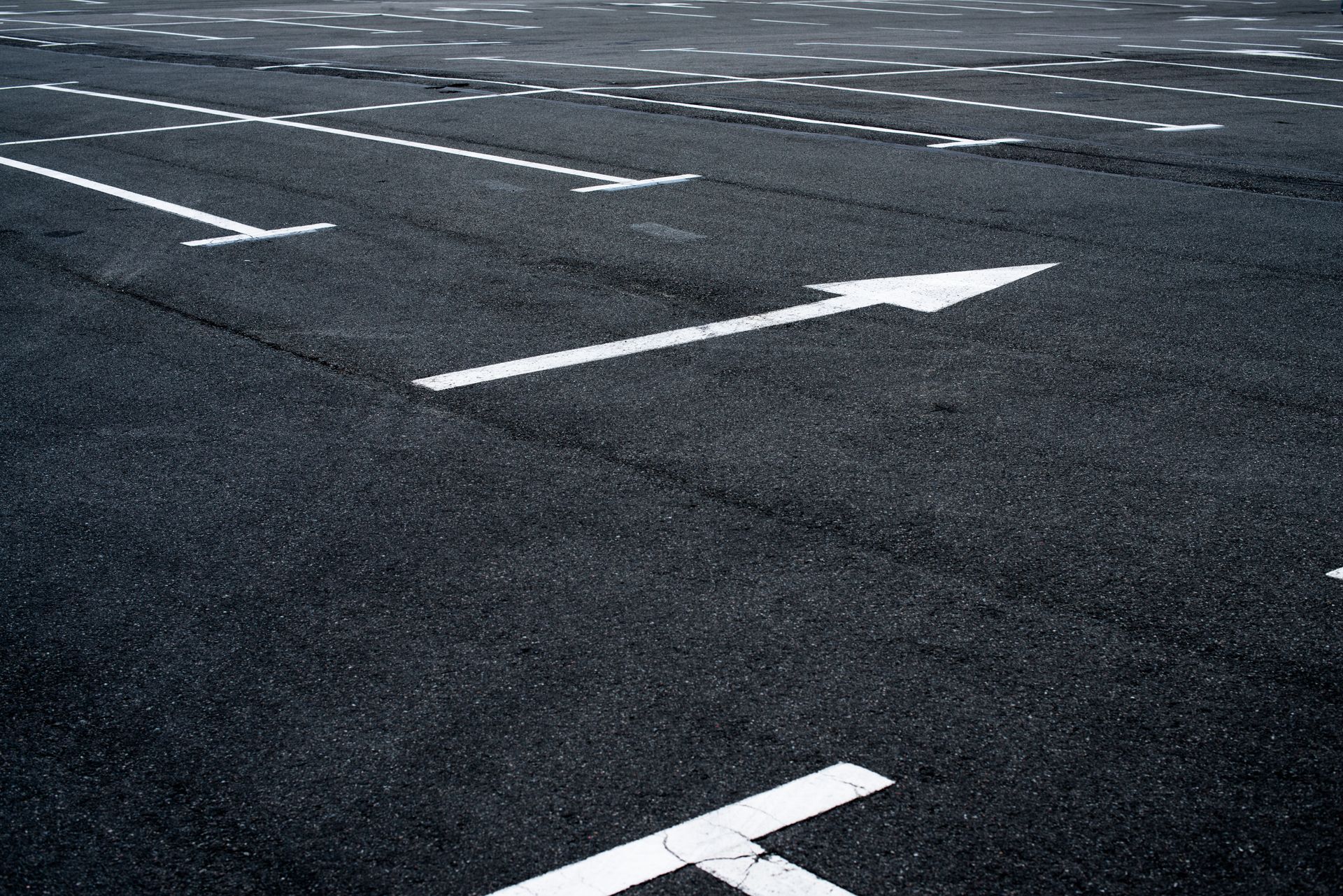
In addition to structural maintenance, consider the importance of visibility and safety features. Repainting faded lines and ensuring that signage is clear can improve navigation during winter months when visibility may be reduced. These small details contribute to a safer environment for everyone using the parking lot. Keeping detailed maintenance records can also be beneficial. Tracking repairs and inspections helps you identify patterns and plan for future improvements.
Preparing your parking lot for winter requires a proactive and comprehensive approach. From inspecting the surface and repairing damage to applying protective treatments and improving drainage, each step plays a crucial role in maintaining durability.
By prioritizing proper parking lot paving maintenance, you protect your investment, reduce long-term repair costs, and create a safer environment for everyone. For expert assistance and dependable service, contact Cunningham Paving Co to help keep your parking lot in excellent condition through every season.


Share On: